Climate action
Choose second-hand fashion
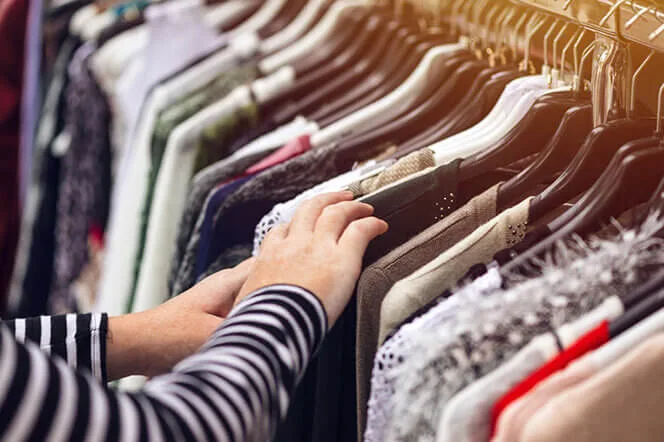
By purchasing second-hand items, you reduce the demand for new products and the energy needed for their production, contributing to lower carbon emissions and resource consumption.
Why Buying Second-Hand Fashion Is So Effective
In short
Buying second-hand clothing is one of the easiest ways to cut down your carbon footprint, reduce waste, and fight the environmental and ethical harms of the fast fashion industry. It supports a circular economy and avoids the need for new resource-intensive production—without sacrificing style or affordability.
1. Fashion Is a Major Climate Polluter
The fashion industry is responsible for around 2–8% of global greenhouse gas emissions—more than aviation and shipping combined. Fast fashion encourages overproduction and overconsumption, with cheap clothes made in high volumes and thrown away quickly. Every new garment consumes energy, water, and raw materials. Buying second-hand avoids that entirely.
2. It Extends the Lifespan of Clothing
Wearing an item for just nine months longer reduces its environmental impact by 20–30%, according to WRAP UK. Second-hand shopping keeps clothes in use and out of landfills, where they often release methane or leach microplastics. This makes reuse a critical step toward a circular, low-waste economy.
3. It Reduces Demand for Exploitative Supply Chains
Most new clothes are produced in low-wage, unsafe factories, often with human rights violations and poor environmental controls. By choosing second-hand, you reduce demand for these systems and help slow the cycle of exploitation tied to mass production in the Global South.
4. It Cuts Water and Chemical Use
Producing a single cotton t-shirt can take over 2,700 liters of water and significant amounts of pesticides, dyes, and toxic chemicals. Synthetic fibers like polyester shed microplastics. Second-hand fashion requires no additional water or chemicals as they already exist and would otherwise go to landfills, making them a much lower-impact choice.
5. It's Affordable and Accessible
Second-hand fashion is typically cheaper than new clothing, making sustainable fashion accessible to more people. Thrift shops, vintage stores, swap markets, and online platforms offer a huge range of styles and sizes—and make slow fashion easy and enjoyable.
6. It Shifts Culture Away from Fast Fashion
Choosing second-hand helps normalize reuse, counteracts the "wear once" mindset, and inspires others to value clothing as something to be cared for, repaired, and reused. It’s part of a larger movement toward quality over quantity, and it challenges the fast fashion business model.
Final Note on Going Circular
Buying second-hand is just one piece of circular fashion. To go further, repair your clothes, swap with friends, support rental platforms, and donate or resell what you no longer wear. Aim to keep every garment in use as long as possible—and make buying new the last resort. If you buy new, make sure to fashion with fossil-free (meaning bio-based), or 100% recycled garments.
Source: Climesumer