Climate action
Support local climate strikes
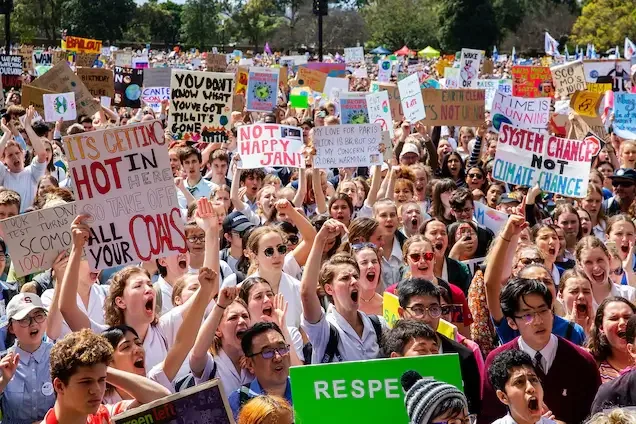
Supporting local climate strikes is a low hanging fruit to start your climate activist journey. In 2019 Fridays for future strikes increased global awareness of climate change, pressured governments to act, empowered youth activism, influenced climate policies, and created a worldwide movement for climate action. Even though it feels like it has died down a bit, it is more important than ever, and the activism forms have evolved. It is also a great way to meet other climate-concerned individuals.
Why Joining Local Climate Strikes is an effective climate action.
In short
Taking part in local climate strikes sends a visible and powerful message to governments, corporations, and the media: people demand urgent climate action. It increases public pressure, shifts cultural norms, and builds momentum behind climate-friendly policies. Strikes don’t just raise awareness—they help drive real political change.
1. Strikes Create Political Pressure
Politicians respond to public visibility. When thousands—or even hundreds—of people take to the streets demanding action, it forces climate onto the political agenda. Strikes have already helped push governments to declare climate emergencies, adopt stronger policies, and cancel fossil fuel projects.
2. They Show Public Support for Change
Many decision-makers claim there's not enough public backing for bold climate policy. Mass mobilizations challenge that narrative. They prove that climate isn’t a fringe issue, but a mainstream priority for voters, citizens, and communities. That support is key to breaking political inaction.
3. They Inspire and Mobilize Others
Strikes aren’t just about protesting—they’re about building movements. Showing up makes others feel less alone, more hopeful, and more motivated to act. Many people first get involved in climate action by attending a strike and connecting with local groups or campaigns.
4. They Shift Cultural Norms
When students, workers, grandparents, and local leaders participate in climate strikes, it challenges the idea that inaction is acceptable. Public protest helps make climate delay socially and politically unacceptable, and accelerates the shift toward a culture that values sustainability and justice.
5. They Empower Grassroots Movements
Strikes are often organized by grassroots groups like Fridays for Future, or local coalitions. Supporting these actions strengthens community networks, builds organizing power, and gives climate movements the visibility and legitimacy they need to grow.
6. They’re Accessible and Symbolic
You don’t need special skills, money, or equipment to join a strike. It’s a simple but visible and symbolic action—especially powerful when students skip school or workers walk off the job. It says: _The climate crisis is urgent enough to disrupt business as usual_.
Final Note on Staying Involved
Strikes are a starting point—not the end. To go further, you can help organize local actions, support campaigns, pressure your school or employer to act, or join climate groups. But showing up—consistently and in numbers—remains one of the clearest ways to demand change.
Source: Climesumer