With a PhD in atmospheric physics, Simon Clark makes videos about atmospheric science and climate change, but also maths, physics, history, etymology, and video games.
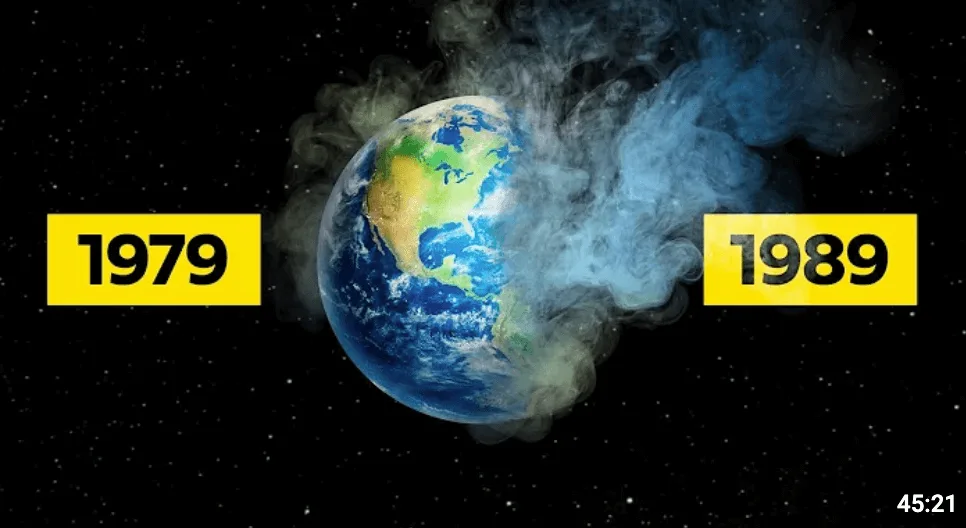
Global Warming: The Decade We Lost Earth
The story of how one man cost us a world with less than 2°C of warming in 1989.

About Global Warming: The Decade We Lost Earth
This is a follow-up video to Global Warming: An Inconvenient History, going into much more detail of events from 1979 to 1989. In particular this is the story of the "villain" of climate change, a man you've likely never heard of before. But is that a fair description? You be the judge. This video essay in the style of Jon Bois and BobbyBroccoli is about the history of climate change, and how John Sununu is the villain of the story, preventing a binding agreement on carbon emissions at the Noordwijk conference of 1989. Who is to blame for climate change? Who caused global warming? Why was John Sununu so important? These questions and more are answered in this video about the history of science and global warming.
Related on Climesumer
Everything else on the site connected to Global Warming: The Decade We Lost Earth.
Similar solutions
The closest alternatives we have vetted.
Climate actions
Steps this helps you take.
Joining a climate activist group is one of the most effective climate actions. Unlike voting for climate-focused parties, climate activist groups try to accelerate political action by putting pressure on leaders. Sometimes it can feel that climate activist groups want to "take something away" from people. The truth is, they follow the scientific consensus and try to find ways to avoid the worst effects of climate change (which will derail the global economy and life as we know it if we don't act). When you look closely, many of the sustainable alternatives needed for a sustainable and just world like great public transport everywhere, long-distance high-speed trains, heat pumps or even bike friendly cities will improve the life for everyone. Just and fair also means that these changes are made step by step and with low income households and rural areas in mind. They will most likely get more support. There are multiple activism groups to choose from. Some try to disrupt the status quo, some create momentum via political advocacy campaigns or referenda and others try to increase dialogue or try to advance climate solutions on a community level, many have a specific focus like mobility or climate action. ALL of the groups are useful and move the needle in important ways. Choose your pick:)
An in depth knowledge of climate science and numbers will help you make better decisions and have more impactful conversations.
In the Climate Guide
The lessons that put this in context.