Joining a climate activist group is one of the most effective climate actions. Unlike voting for climate-focused parties, climate activist groups try to accelerate political action by putting pressure on leaders. Sometimes it can feel that climate activist groups want to "take something away" from people. The truth is, they follow the scientific consensus and try to find ways to avoid the worst effects of climate change (which will derail the global economy and life as we know it if we don't act). When you look closely, many of the sustainable alternatives needed for a sustainable and just world like great public transport everywhere, long-distance high-speed trains, heat pumps or even bike friendly cities will improve the life for everyone. Just and fair also means that these changes are made step by step and with low income households and rural areas in mind. They will most likely get more support. There are multiple activism groups to choose from. Some try to disrupt the status quo, some create momentum via political advocacy campaigns or referenda and others try to increase dialogue or try to advance climate solutions on a community level, many have a specific focus like mobility or climate action. ALL of the groups are useful and move the needle in important ways. Choose your pick:)
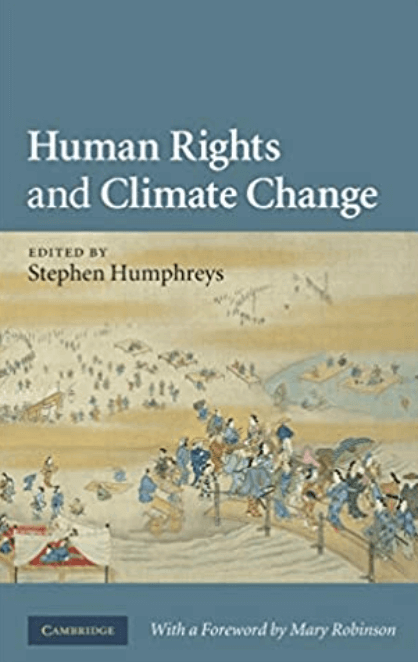
Human Rights and Climate Change
Human rights and climate change intersect, impacting migration, healthcare, food security, and conflict, raising critical policy and accountability issues.
About Human Rights and Climate Change
As the effects of climate change continue to be felt, appreciation of its future transformational impact on numerous areas of public law and policy is set to grow. Among these, human rights concerns are particularly acute. They include forced mass migration, increased disease incidence and strain on healthcare systems, threatened food and water security, the disappearance and degradation of shelter, land, livelihoods and cultures, and the threat of conflict. This inquiry into the human rights dimensions of climate change looks beyond potential impacts to examine the questions raised by climate change policies: accountability for extraterritorial harms; constructing reliable enforcement mechanisms; assessing redistributional outcomes; and allocating burdens, benefits, rights and duties among perpetrators and victims, both public and private. The book examines a range of so-far unexplored theoretical and practical concerns that international law and other scholars and policy-framers will find increasingly difficult to ignore.
Related on Climesumer
Everything else on the site connected to Human Rights and Climate Change.
Climate actions
Steps this helps you take.
In the Climate Guide
The lessons that put this in context.
The whole guide →