Climate action
Adopt a planetary diet (mainly plant-based)
Embracing a plant-based diet minimizes the environmental footprint associated with meat production, conserves land and water resources, and lowers greenhouse gas emissions, promoting a healthier planet.
Why Shifting to a Planetary Diet Is So Effective
In short
Adopting the Planetary Health Diet—a predominantly plant-based diet with limited animal products—is one of the most impactful choices individuals can make to address climate change, protect ecosystems, and improve public health. It reduces emissions, restores land, conserves water, and supports a more ethical and equitable food system.
1. It Significantly Reduces Greenhouse Gas Emissions
Animal agriculture contributes approximately 14.5% of global greenhouse gas emissions, comparable to or slightly more than the emissions from all global transportation combined. Ruminant animals like cattle and sheep are particularly carbon-intensive due to methane emissions and land-use impacts. Switching to a plant-based diet can reduce an individual’s food-related emissions by up to 70%, making it one of the most effective personal climate actions.
2. It Frees Up Land for Nature and Climate Solutions
Livestock farming uses about 77–80% of the world’s agricultural land, yet it supplies only 17–18% of the world’s calories. This land-use imbalance is a major driver of deforestation and habitat loss. Reducing demand for animal products enables reforestation and ecosystem restoration, allowing natural landscapes to recover and store carbon more effectively.
3. It Reduces Water Use and Pollution
Raising animals for food is highly water-intensive, especially for feed crops like soy and corn. It also contributes to water pollution through runoff of nitrogen and phosphorus from manure and fertilizers, which can damage aquatic ecosystems. In contrast, plant-based diets typically require less water and generate lower levels of nutrient pollution, helping safeguard water quality.
4. It Improves Human Health
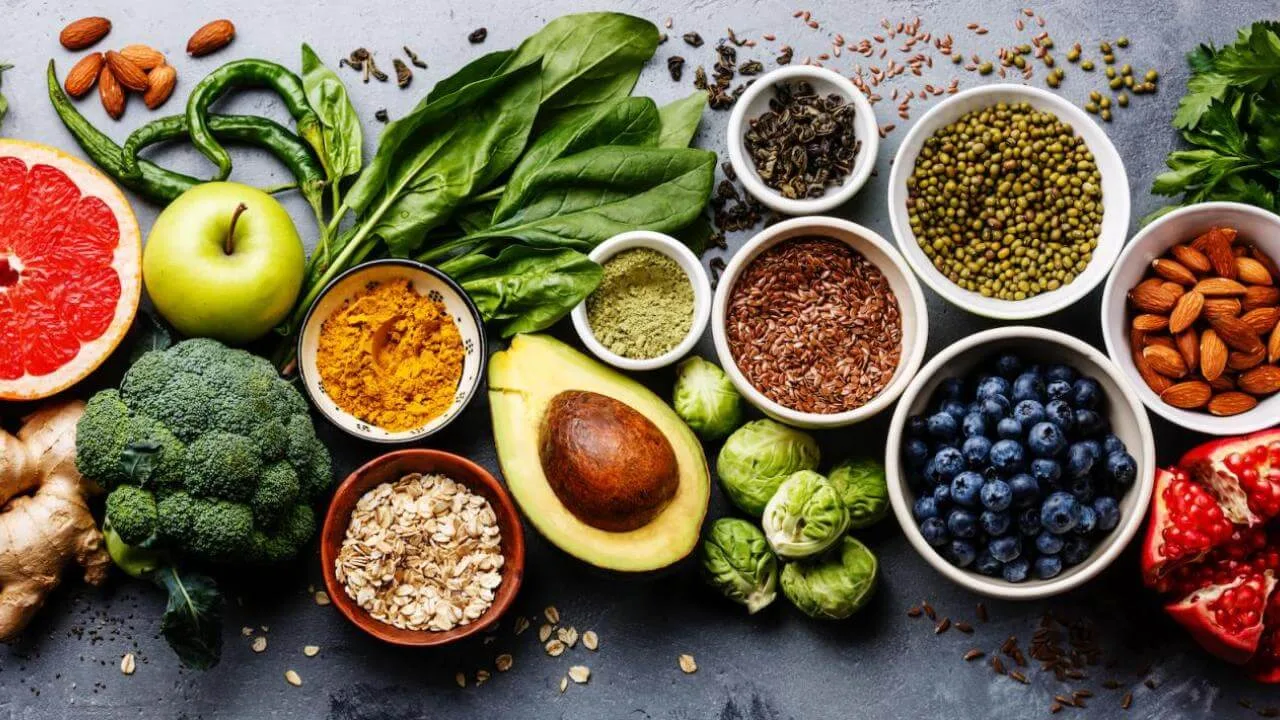
The Planetary Health Diet emphasizes whole, plant-based foods—vegetables, legumes, fruits, whole grains, and nuts—while minimizing red and processed meat. This pattern is associated with lower risks of heart disease, obesity, type 2 diabetes, and certain cancers. Research suggests that global adoption of this diet could prevent up to 11 million premature deaths annually.
5. It Reduces Animal Suffering
Industrial animal agriculture often involves extreme confinement, painful mutilations, and large-scale slaughter. By reducing consumption of animal products, individuals help lessen the demand for factory farming and reduce unnecessary harm to animals. It’s a step toward a food system based on compassion and sustainability.
6. It Supports a More Equitable Food System
Growing feed crops for livestock—especially soy and corn—drives deforestation, land grabbing, and exploitative labor practices, particularly in the Global South. A shift to plant-based diets reduces reliance on these intensive systems, helping build a fairer, more resilient, and less extractive global food supply.
A Flexible but Powerful Climate Action
The Planetary Diet isn’t about perfection or going fully vegan overnight. It offers flexibility while prioritizing plant-based foods and reducing animal products. Every step toward this shift contributes to a healthier planet and population—and when scaled across society, it can transform agriculture and slash global climate impacts.
Source: Climesumer