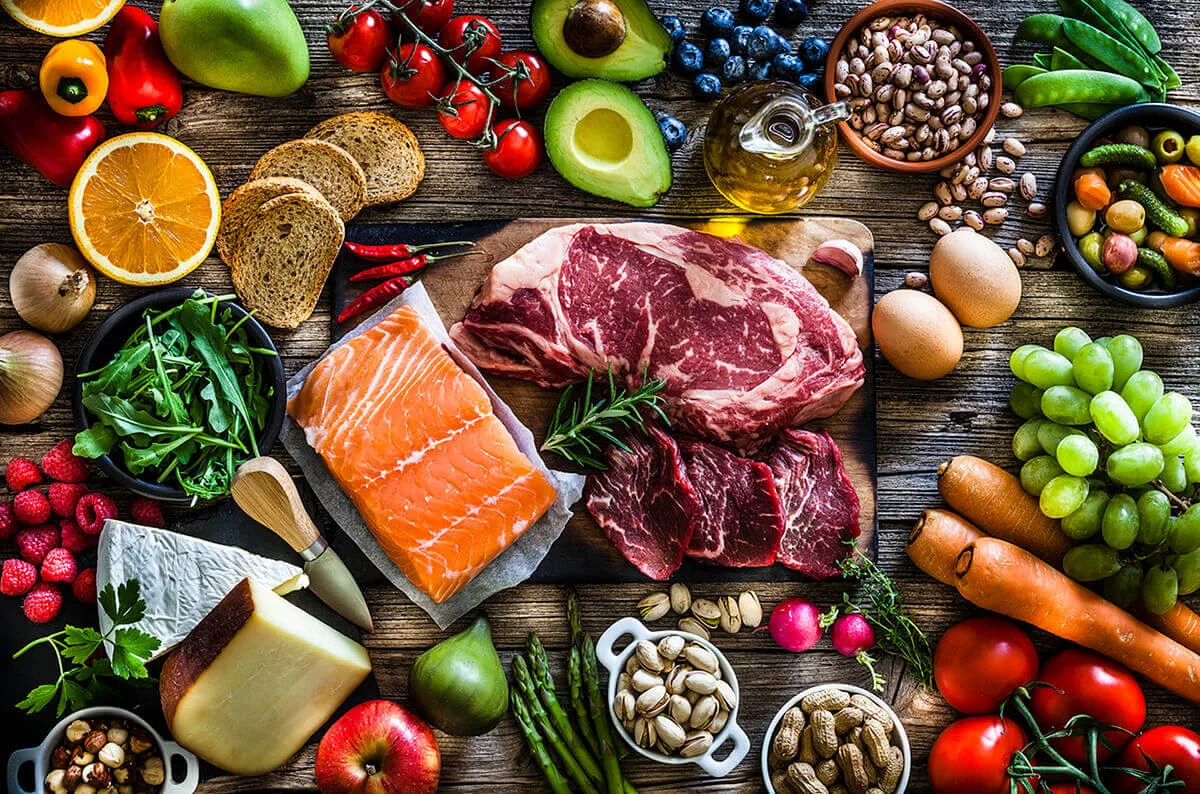
Lesson 6: Food
Diet and food choices
The global food system is broken, inefficient and destructive. Gladly (almost) anyone can be part of the solution by choosing what to eat. This session dives deep into our global food system, the challenges and provides actionable insights on what to change, globally and individually.
Complementary resources
Explore the material behind this lesson, or go deeper. These resources are optional.
82 results
Vegan Ayran: Der vegane Ayvan®: Die vegane Revolution eines orientalischen Klassikers!
"Barkskins: A Novel" by Annie Proulx — A New York Times best-selling epic on the demise of world forests, spanning 300 years of history.
Timothy Morton's "Being Ecological" challenges our understanding of ecology and the human-nature divide, offering fresh insights for a sustainable future.
BettaFish offers a plant-based alternative to tuna that looks and tastes just like the real thing, allowing you to enjoy guilt-free seafood without contributing to overfishing and bycatch.
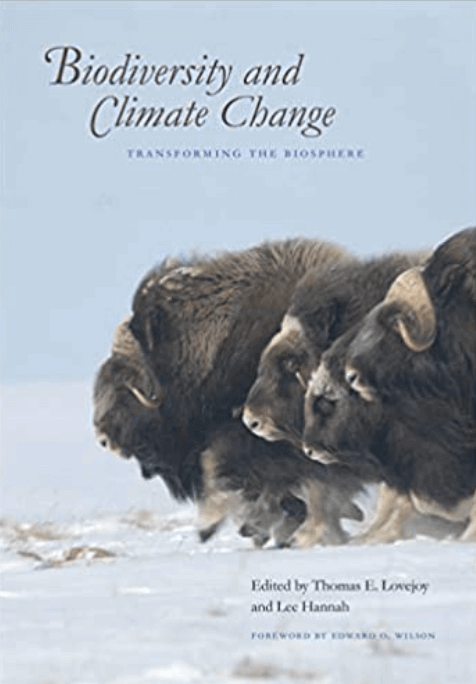
Examines the critical interactions between biodiversity and climate change, offering expert insights into future risks and responses.
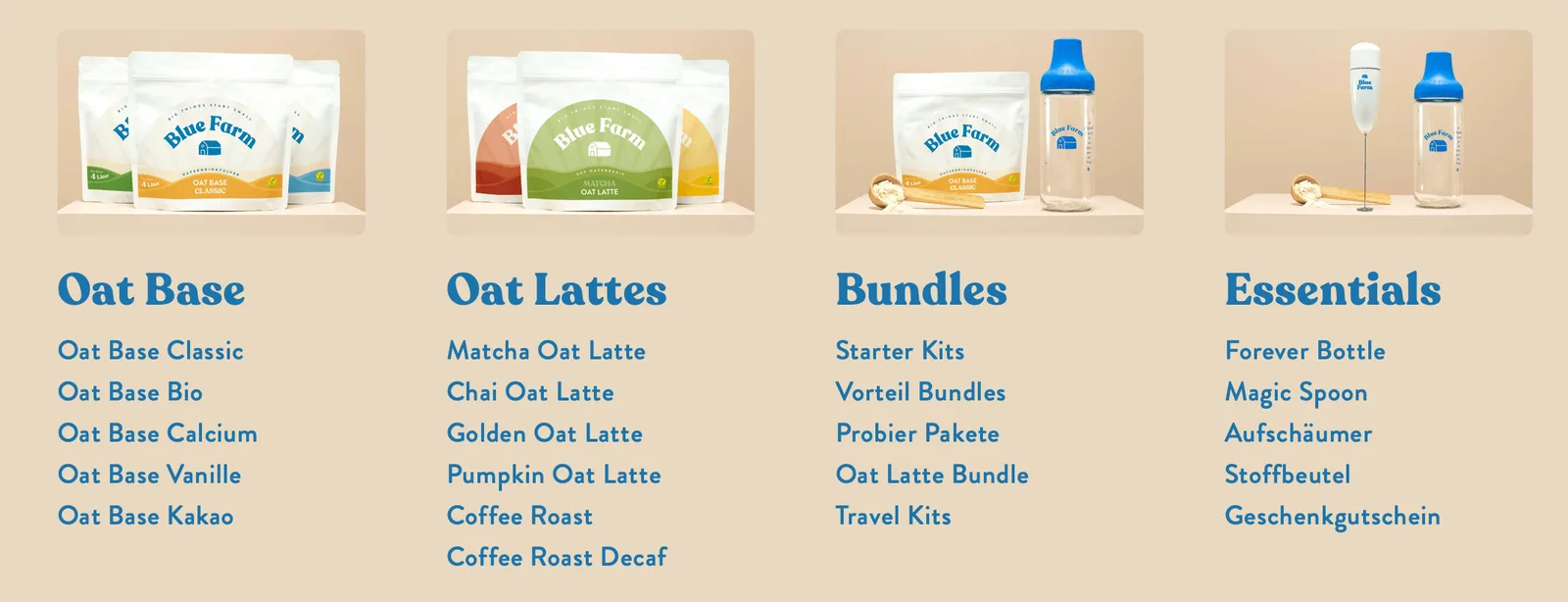
This product is a 100% oat drink that is gluten-free and without additives or added sugar, and its production is better for the environment with up to 90% less packaging waste and reduced Co2 consumption.
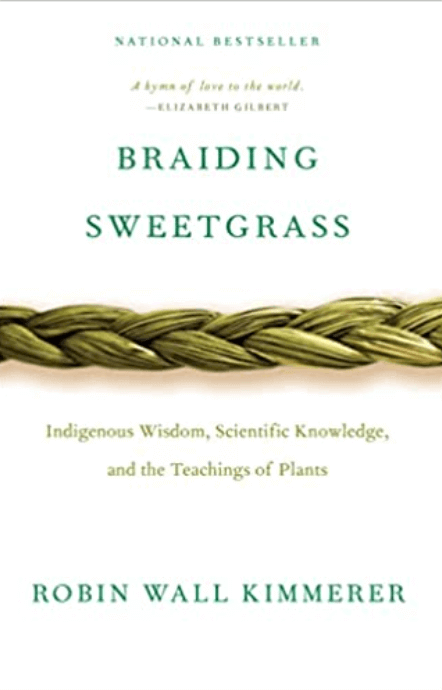
"Braiding Sweetgrass" intertwines Indigenous wisdom and scientific knowledge, revealing profound ecological insights through the teachings of plants.
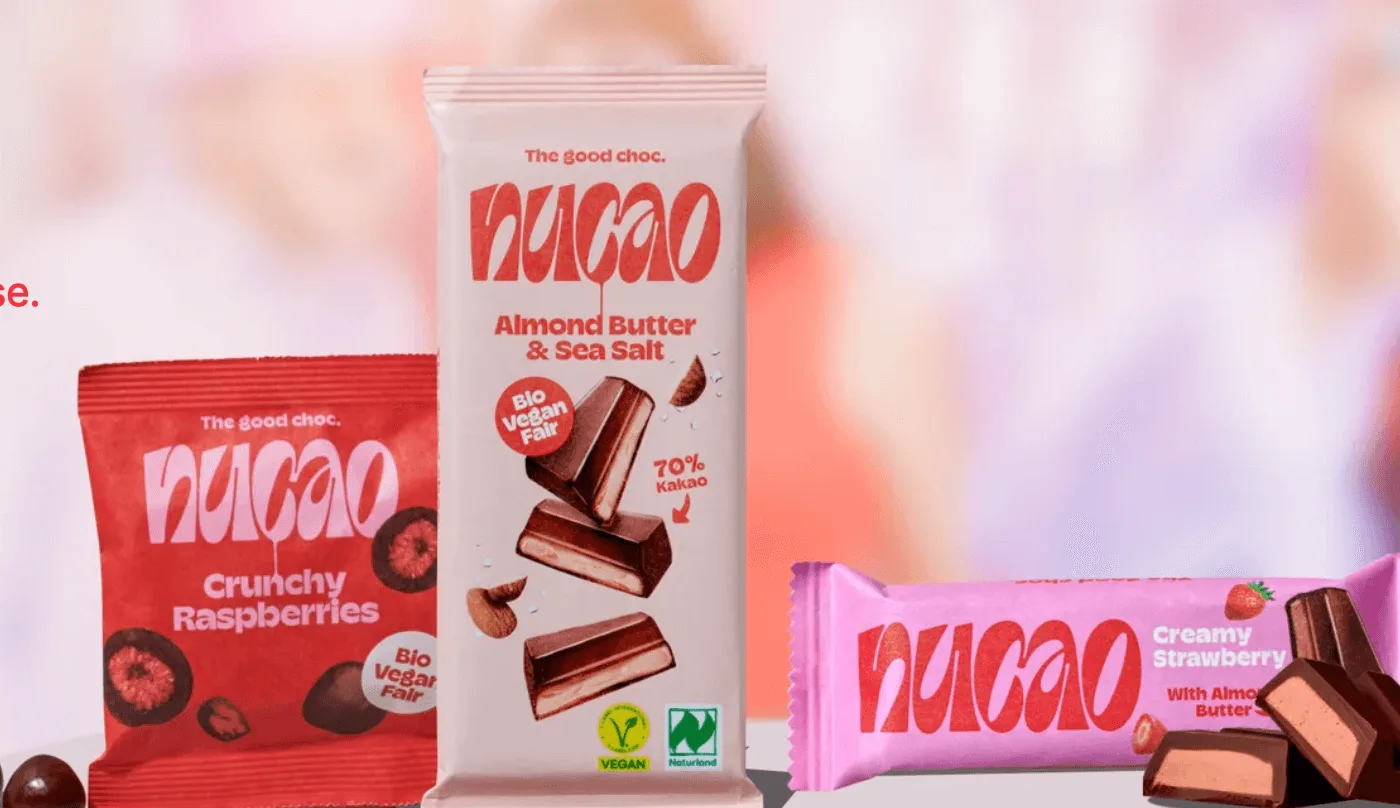
Organic, Vegan and fairly traded chocolate, packed in paper or compostable cellulose. 3% of turnover go towards reforestation projects.
How is global warming shaping our lives? And what can we do about it? We connect the dots, from fossil fuels to extreme weather, clean energy to public health
Climavores is a show about eating on a changing planet. Each week, journalists Tamar Haspel and Mike Grunwald explore the complicated, confusing, and surprising relationship between food and the environment.
They set new standards for fairly traded coffee and roasted in Berlin. Learn more here: https://www.coffeecircle.com/de/e/fair-trade-kritik
Cowspiracy: The Sustainability Secret is a groundbreaking feature-length environmental documentary following intrepid filmmaker Kip Andersen as he uncovers the most destructive industry facing the planet today (animal farming) – and investigates why the world’s leading environmental organizations are too afraid to talk about it.
One man has seen more of the natural world than any other. This unique feature documentary is his witness statement.
Anna Lappé's "Diet for a Hot Planet" explores the impact of food production on global warming, highlighting sustainable farming and climate-friendly diets.
Ed Winters is a vegan educator, best-selling author, public speaker and content creator, widely known for his viral debates, speeches, and video essays. Ed has spoken at over 1/3 of UK universities and at 6 Ivy league colleges, including as a guest lecturer at Harvard University in both 2019 and 2020.
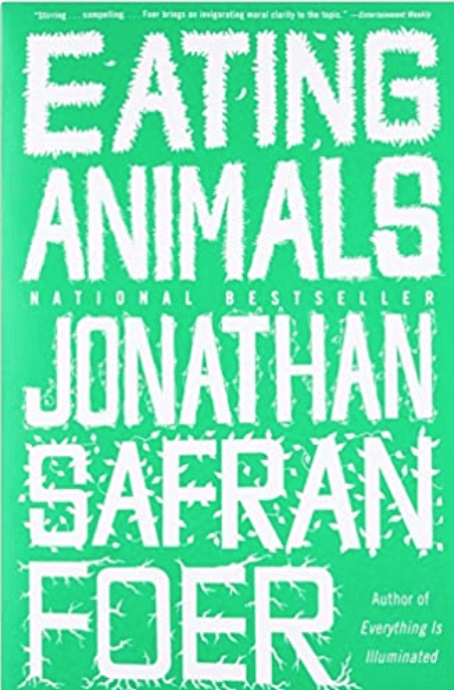
Eating Animals is a memoir and investigative report on vegetarianism, farming, and food ethics by Jonathan Safran Foer.
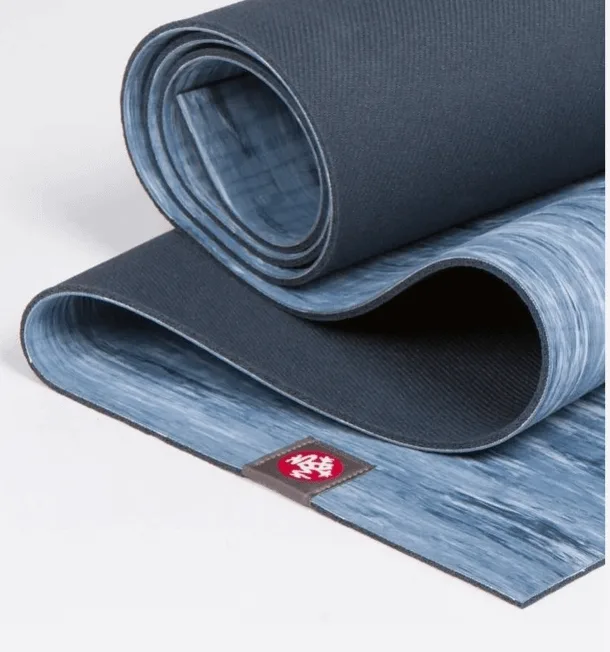
This eco-friendly yoga mat is made from responsibly sourced rubber tree and provides a naturally grippy surface with a springy cushion for your yoga practice.
Environmental, social, and governance (ESG) news and investment research brought to you weekly covering major market trends and new research insights.
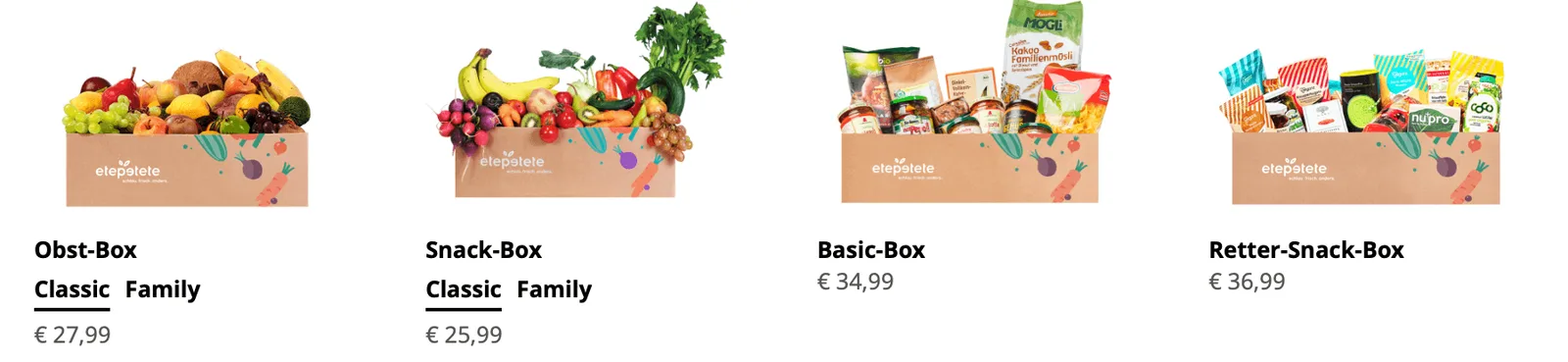
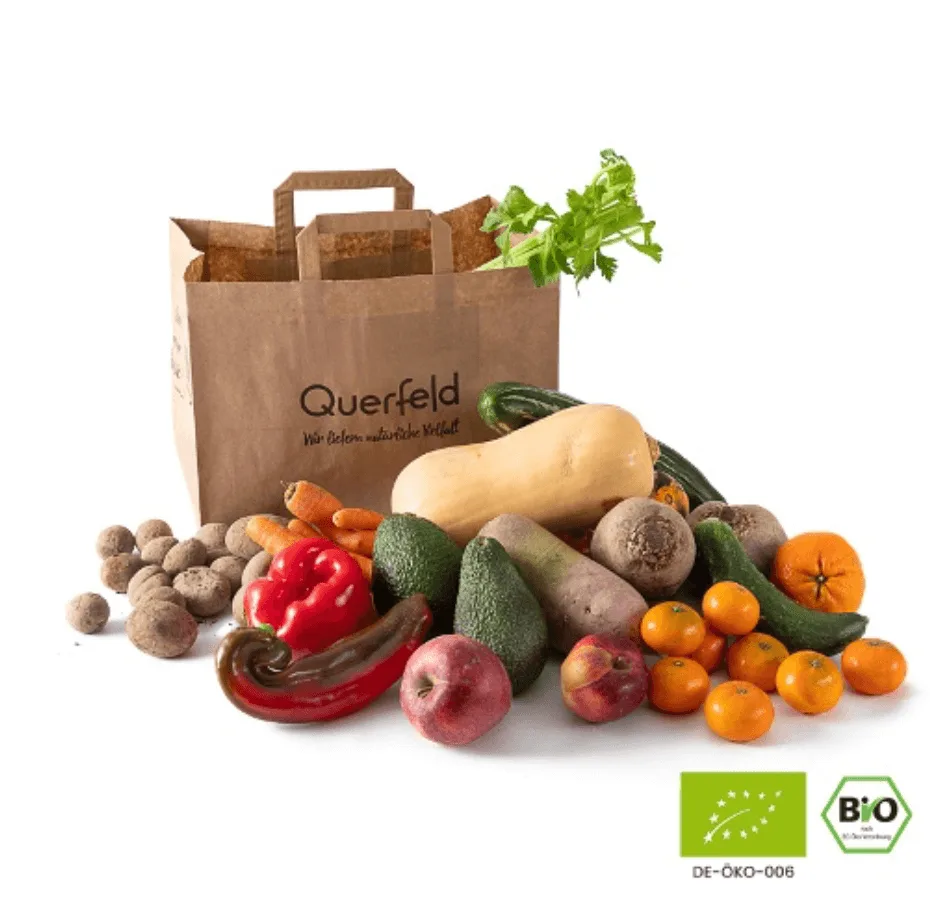
This organic box offers fruits, vegetables and other saved processed food, all with plastic-free packaging and climate neutral delivery, directly from the farm to your home.
This organic box offers fruits, vegetables and other saved processed food, all with plastic-free packaging and climate neutral delivery, directly from the farm to your home.
Coalition of people getting involved and catalysing action around regenerative agriculture.
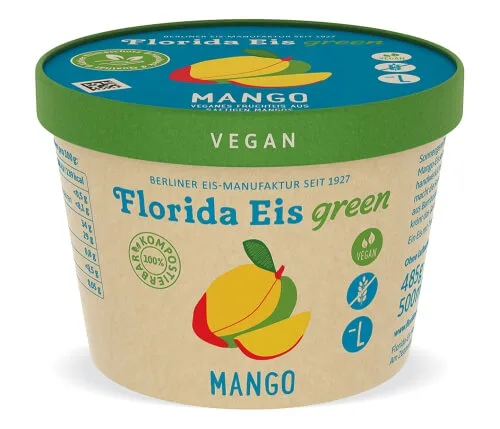
Vegan icecream
Can we feed a future population of 10 billion people a healthy diet within planetary boundaries? This report has the answers
Marketplace with vegan products.
Forest Gum offers sustainable chewing gums and fruit gummies in compostable packaging, available nationwide in Germany.
Formo offers delicious vegan cheese using a proprietary micro fermentation technique instead of animals to produce the cheese* alternatives humans love.
Find the most sustainable restaurants & cafés nearby. Start exploring with Future Maps: Find every vegan restaurant in Germany.
A podcast full of provocative ideas with the potential to improve the world, Future Perfect interrogates ways to save lives, fight global warming and end world poverty.
This company offers vegan, powder-based meat and dairy alternatives that can be easily mixed at home with a long shelf life, sustainable packaging, and the potential to reduce food waste and save up to two tons of greenhouse gas.
The #1 Vegan App with the world's largest vegan community and food map. Find Vegan & Vegetarian restaurants near you.
100% plant-based and vegan, authentic shrimp flavour, source of omega-3 fatty acids, good for our oceans. Not included: ✘ artificial colors, ✘ Gluten, ✘ Microplastics, ✘ Palm oil
HeyHey offers premium, recycled and recyclable yoga mats, yoga blocks and eye pillows, made in Germany.
Alternatives Successors of meat Products they sell: Chorizo, Chicken Nuggets, Chicken Strips, Chunks, Burger, Patty, Meatballs.
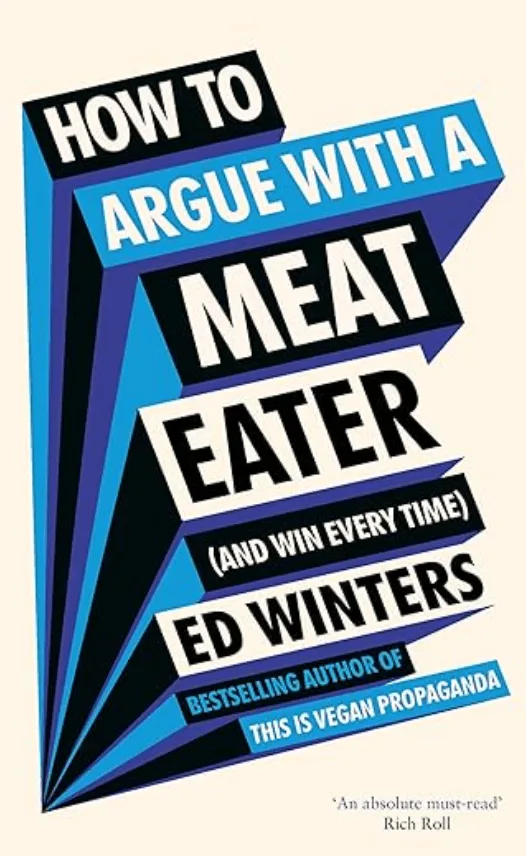
How to Argue With a Meat Eater will teach you to not only become a skilled debater, sharing the secrets of renowned vegan educator Ed Winters, but it will arm you with powerful facts and insights that will give pause to even the most devout meat eater.
Katjes is a vegan candy brand that offers chocolate and gummi bears, powered by green energy, and is working on an alternative to plastic packaging.
Korodrogerie is an online supermarket offering an array of mostly dry foods, with less packaging waste thanks to large packaging and smart supply chains.
This product offers plant-based, vegan alternatives to chicken and pork meat, made from soy, peas, and/or wheat, and packaged in recycled plastic.
Vegan icecream
News and inspiration from nature’s frontline. Including deeper analysis from climate change to biodiversity, animal and wildlife discoveries, ecology and more.
Motatos offers surplus or short-dated stock food products, such as nuts, dry food, sweets, snacks, cookies, biscuits, protein snacks, chocolate, tea, coffee, muslin, cereals, milk, drinks, mason jars
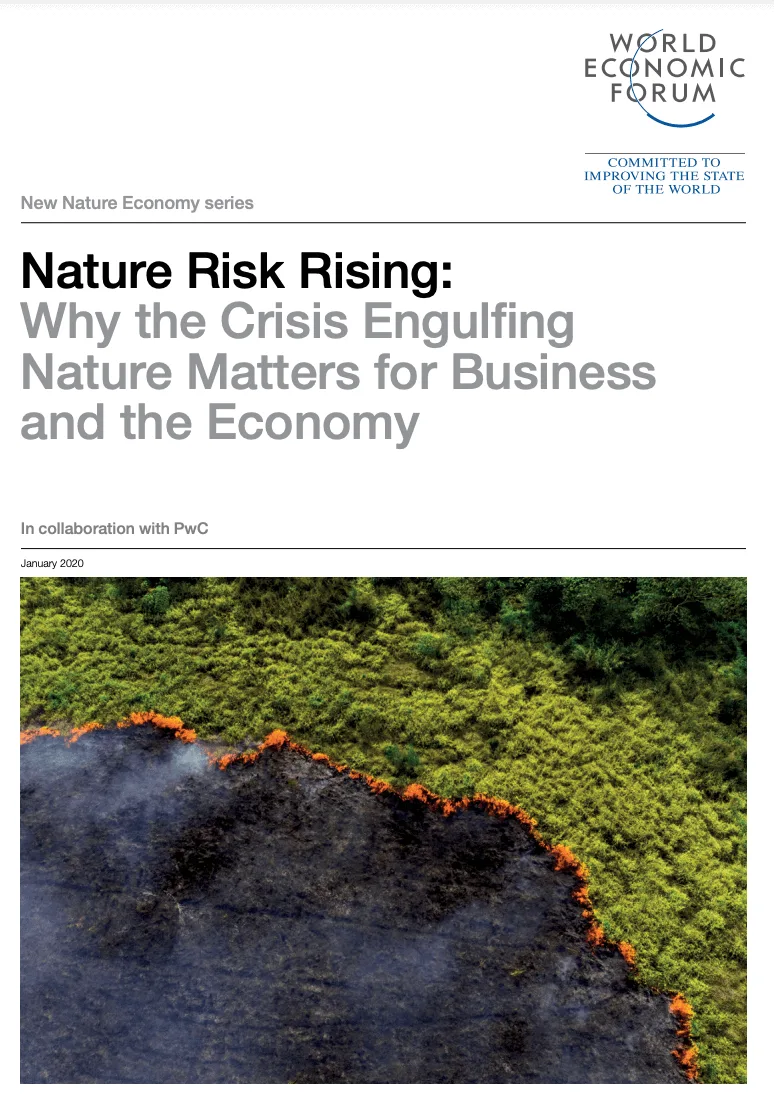
Nature Risk Rising, produced in collaboration with PwC and the first report in the NNE series, explains how nature-related risks matter to business, why they must be urgently mainstreamed into risk management strategies and why it is vital to prioritize the protection of nature’s assets and services within the broader global economic growth agenda.
This artisan cheese company uses traditional methods combined with sustainable practices to create delicious, innovative products.
Vegan seaweed snacks, spreads and more made with European seaweed 100% organic, gluten-free and with a healthy portion of iodine.
Organic, Vegan and fairly traded chocolate, packed in paper or compostable cellulose. 3% of turnover go towards reforestation projects.
This product is a 100% oat drink that is gluten-free and without additives or added sugar, and its production is better for the environment with up to 90% less packaging waste and reduced Co2 consumption.
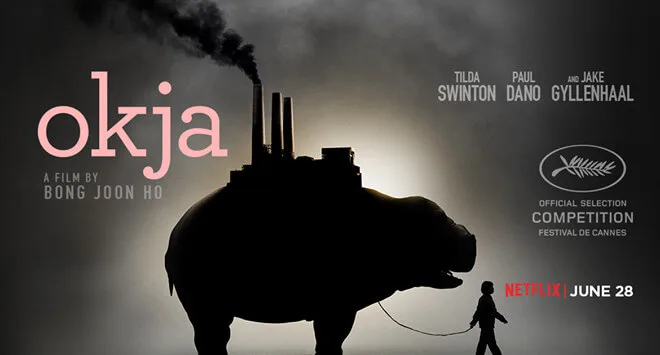
A young girl risks everything to prevent a powerful, multinational company from kidnapping her best friend - a fascinating beast named Okja.
Share more, waste less Beat waste with Olio: the app for finding what you need and sharing what you don’t with local people.
Up to date data, statistics and graphs on climate change, CO2 emissions by country, sectors and more. Perfect to digest facts quickly.
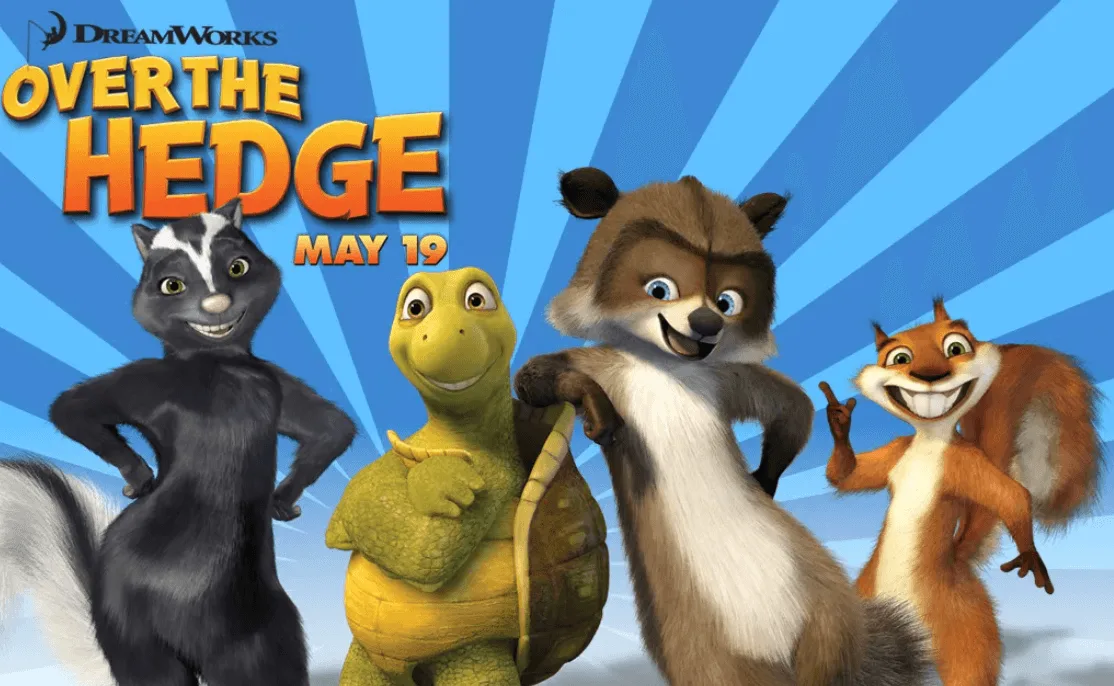
In this fun animated movie, wild animals find their forest home is getting smaller because of human houses.
Photocircle is a company that offers a range of art prints and products, with a mission to plant 500,000 trees in Ethiopia by 2023.
Planted offers plant-based alternatives to chicken and pork meat with significantly lower carbon and water footprints than the real thing.
This Positive Beer Pale Ale is a craft beer that is climate negative and helps fund green/clean tech and sustainable startups, while providing a delicious and refreshing brew.
This farmers box offers organic fruits and vegetables with zero-waste, plastic-free packaging, delivered to your home or pickup station in Berlin, Munich, Köln, and Hamburg, helping to fight food waste.
This farmers box offers organic fruits and vegetables with zero-waste, plastic-free packaging, delivered to your home or pickup station in Berlin, Munich, Köln, and Hamburg, helping to fight food waste.
Redefine Meat has advanced 3D printing technology to recreate specific parts of animals using plants that taste like the real thing.
Robin Greenfield is an activist and humanitarian dedicated to leading the way to a more sustainable, just and equal world. Videos frequently cover sustainable & simple living, growing your own food, minimalism, off the grid living, zero waste, tiny houses and permaculture.
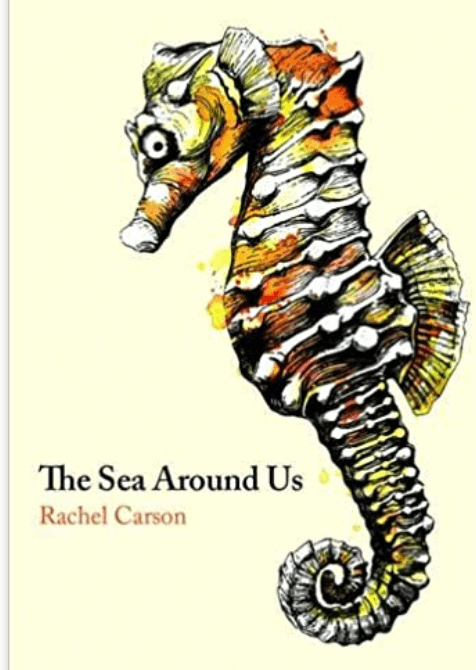
Rachel Carson's "Sea Around Us" explores ocean origins, life evolution, and volcanic islands in a natural history trilogy.
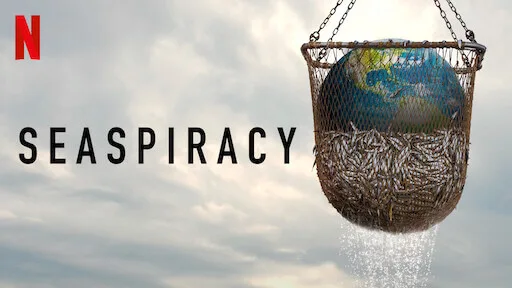
Seaspiracy (/siːˈspɪrəsi/) is a 2021 documentary film about the environmental impact of fishing directed by and starring Ali Tabrizi, a British filmmaker.[1] The film examines human impacts on marine life and advocates for ending fish consumption.
The latest news and analysis on Europe’s sustainability startups, including electric vehicles, lab-grown food, clean energy, ESG and the latest sustainability investments.
Sourcing Matters is a talkshow for critical issues and the wonderful stories woven into our food system
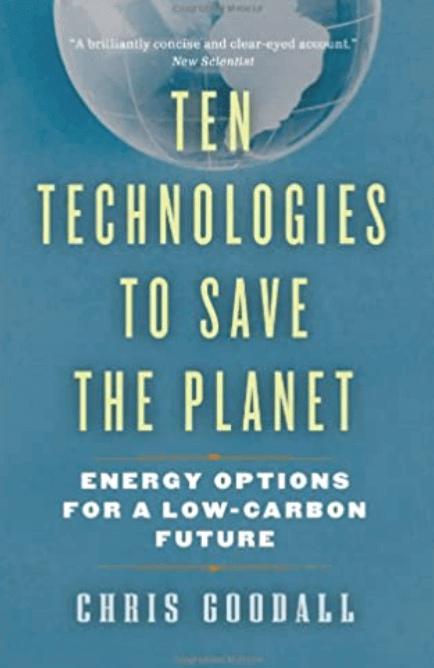
Ten Technologies to Save the Planet explores ten promising technologies to reduce global emissions, with insights from inventors and scientists.
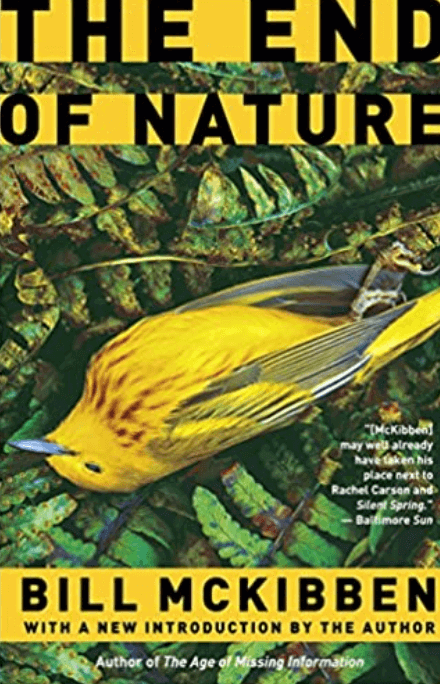
A seminal work on environmental crisis by Bill McKibben, addressing issues like the greenhouse effect, acid rain, and ozone depletion.
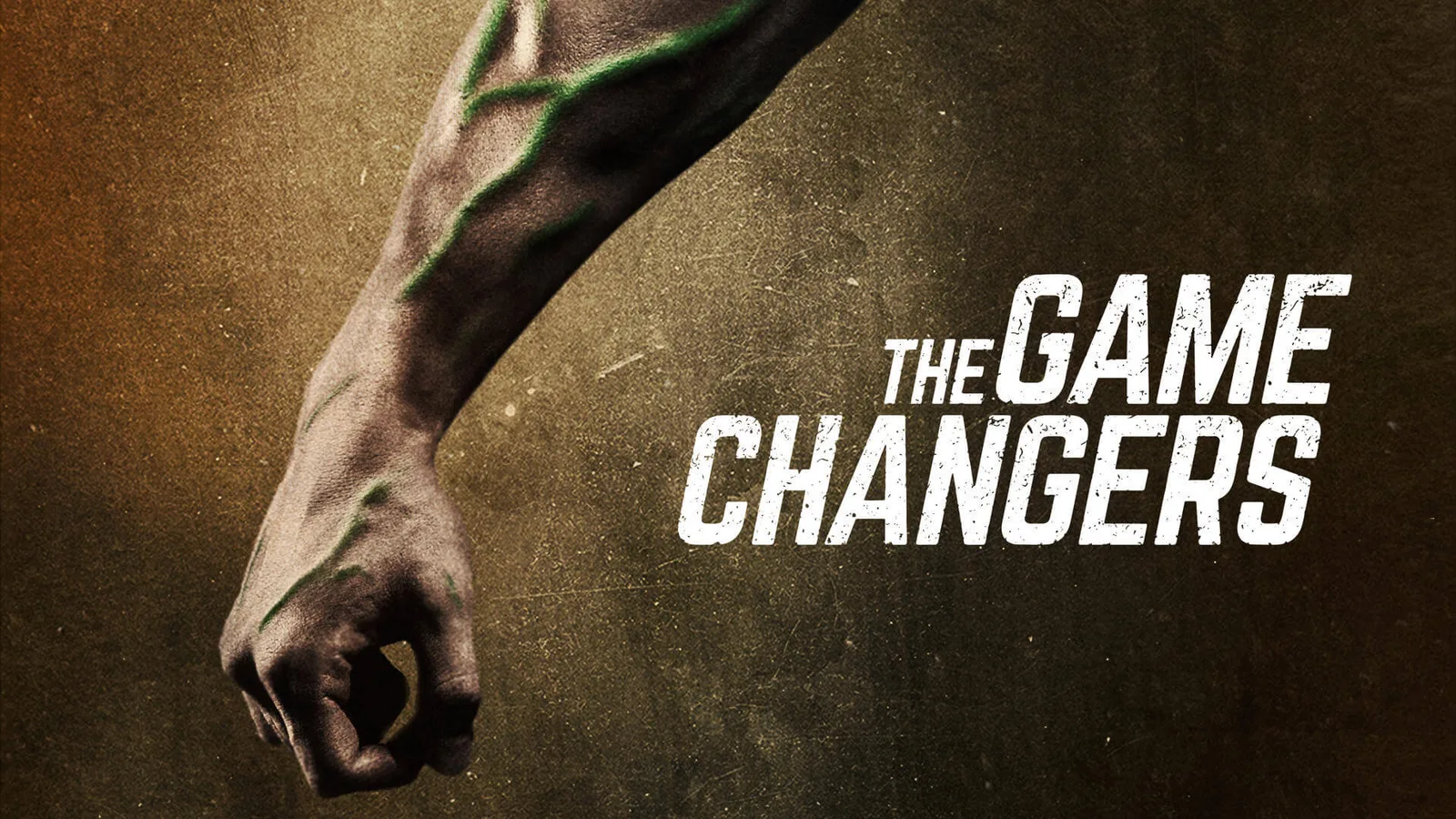
Documentary film about famous athletes who have plant-based diets. Presented by James Cameron, Arnold Schwarzenegger, Jackie Chan, Lewis Hamilton, Novak Djokovic and Chris Paul — a revolutionary new film about meat, protein and strength.
A 12-year-old boy searches for the one thing that will enable him to win the affection of the girl of his dreams. To find it he must discover the story of the Lorax, the grumpy yet charming creature who fights to protect his world.
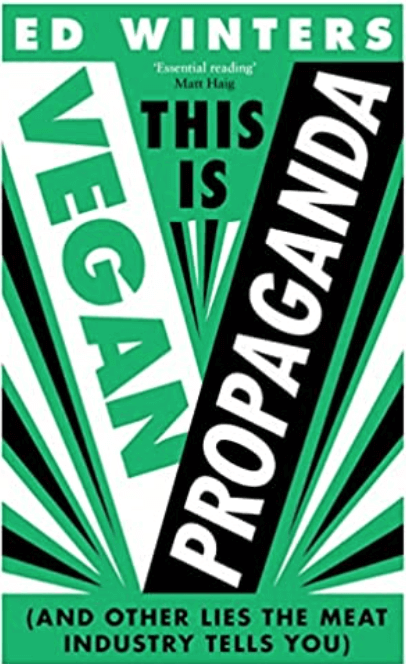
Discover the hidden truths behind the meat industry and the impact of animal farming on our world with Ed Winters' "This Is Vegan Propaganda."
An app that connects users with local businesses offering surplus food at discounted prices, helping to combat food waste.
True Gum is a vegan, natural, and plastic-free alternative to traditional chewing gum that is carefully crafted with the best ingredients in its own chewing gum factory.
Natural soaps, perfume, scents, scent-candles, and home appliances such as saucers (Untersetzer), Glasses, Cups, serviette and napkins.
Map of vegan farms in Europe. Referencing vegan and veganic farms and vegan farming associations (without breeding and animal inputs).
Discover vegan and organic (veganic) farms worldwide on the vegan, organic farm map network.
Dairy alternatives from Pea
Watt It Takes tells the stories of founders that are making our zero-carbon future a reality
A platform that connects users to local zero-waste stores, farmers' markets, and recycling facilities.






















What to do with this
All 5 actions for this lesson. Open an action to explore its tools, products and companies. Actions are ordered by impact rating.
Start here
Individual
ImpactEffortEmbracing a plant-based diet minimizes the environmental footprint associated with meat production, conserves land and water resources, and lowers greenhouse gas emissions, promoting a healthier planet.
Individual
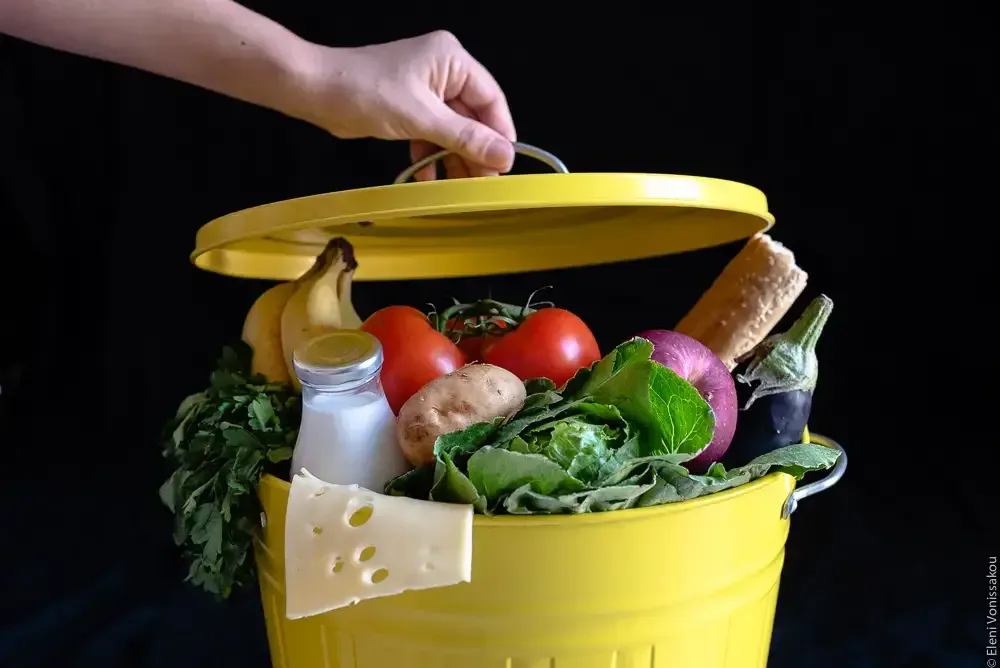
ImpactEffort1/3 of the food we produce is being wasted or lost in the process along the value chain. Consumers are one part of the puzzle. Try to plan your meals, use opened items from your fridge quickly and pay special attention to animal products. Wasting animal products like meat or dairy uses the most resources in production and therefore has a big impact when not wasted. Ideally reduce meat and dairy products to a minimum.
Individual
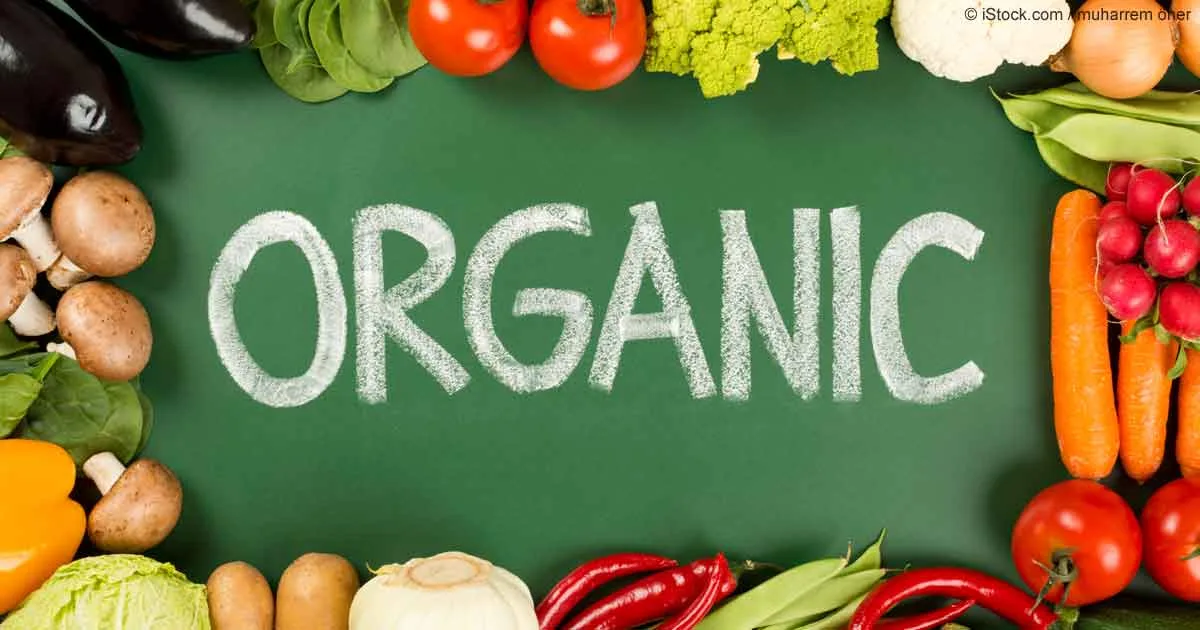
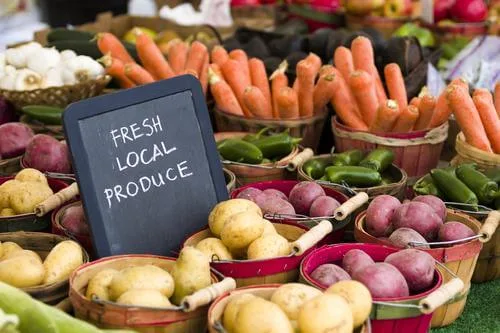
ImpactEffortThe type of food you buy is more important than how it was produced or where or when it was grown. Buying non-organic vegetables flown in, is better than buying organic, local meat or cheese. This being said, if you have the choice, try to buy organic, local, seasonal vegan food for maximum impact.
Individual
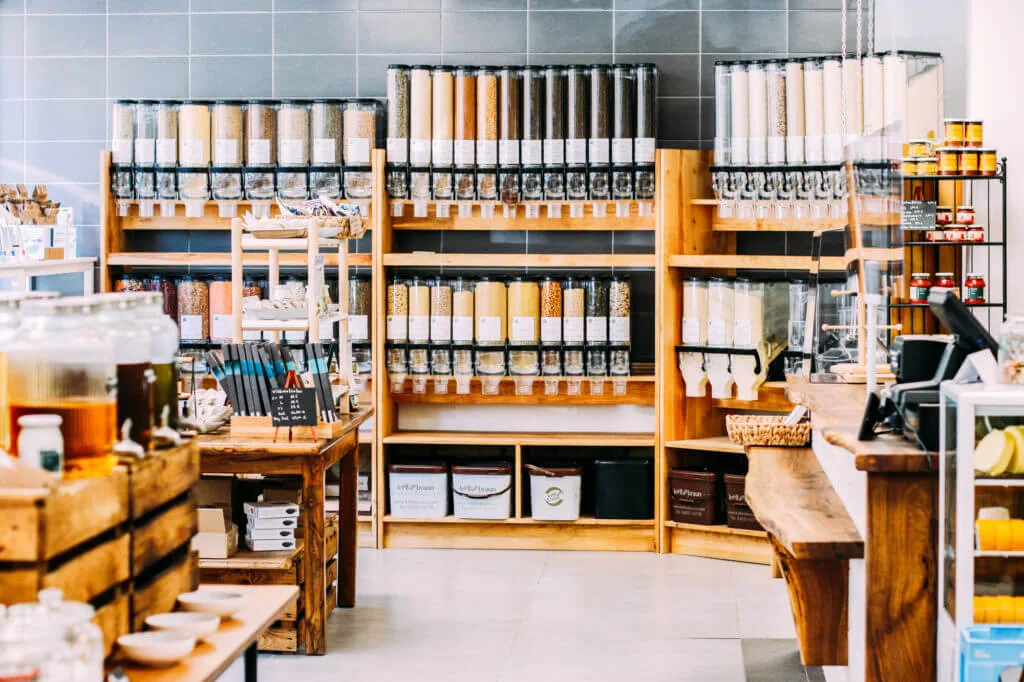
ImpactEffortThe type of food is more impactful than how it is packaged. A plastic wrapped vegan stake, is better than a non-plastic wrapped, "local" cow-steak. Therefore, before you worry about a plastic free shopping cart, try to reduce animal products like meat or dairy first. For other daily bathroom essential like tooth paste or shampoo, easy plastic free, solid alternatives exist. For these items you only need to a find a replacement and a store once, and then you can forget about it. For other items, try to avoid plastic where possible, but don't beat yourself up for this. Try to focus on more impactful actions first. In places with bad recycling infrastructure, advocate for it.
Individual
ImpactEffortThe type of food you buy is more important than how it was produced or where or when it was grown. Buying (non-organic) vegetables flown in, is better than buying (organic), local meat or dairy. The food miles only make about 5-20% of the food's emissions. This being said, if you have the choice, try to buy organic, local, seasonal vegan food for maximum impact.
Reflection
The lesson is free to read and watch. An account is only needed to keep what you write and where you got to.
Reflection is optional. Tick Done in the step bar to close the lesson whenever you are ready.