Climate action
Avoid domestic flights (short-mid range) - Switch to train or bus
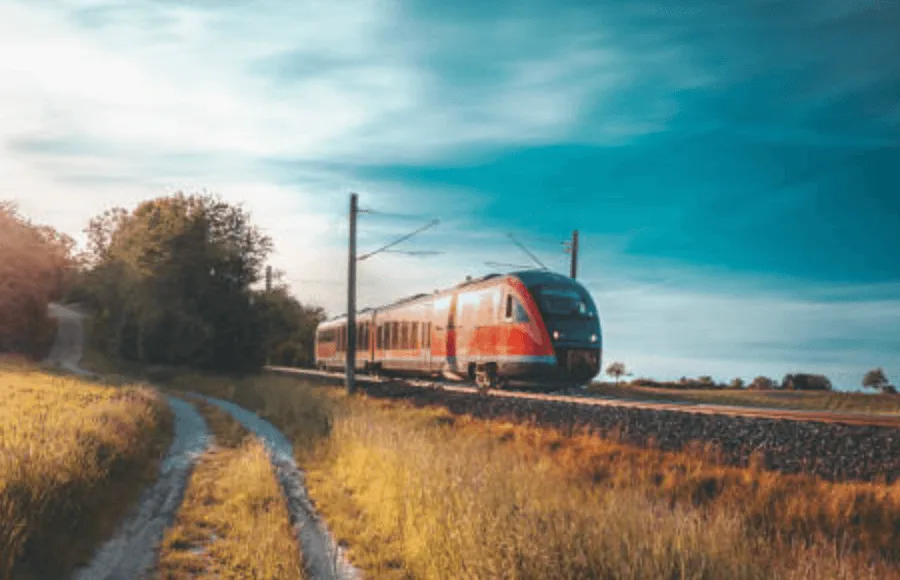
Air travel will be one of the last sectors to become low carbon. Until then, we need to reduce air travel to a minimum and choose other ground based travel modes. Especially short to mid-range flights, within one country should be replaced by train, bus or if need be a (shared, electric) car. The easy and specifics to implement this climate action will vary across the world, but within Europe it is simple and often comes with the same or faster end-to-end travel times. Ideally, domestic fossil-fuel flights are banned and train travel made reliable and cheap.
Why Avoiding Domestic Flights Is So Effective
In short
Avoiding domestic flights—especially short-haul ones—is one of the fastest and most effective ways to reduce your personal carbon footprint (if you fly often). Flying is one of the most polluting forms of travel per passenger, and many domestic flights can be replaced by trains or buses. When enough people make this shift, it sends a clear signal to policymakers and transport systems to prioritize low-carbon travel options.
1. Flying Has an Outsize Climate Impact
A single short-haul flight can emit up to 10 times more CO₂ per kilometer than traveling by train. For many individuals, air travel is the largest source of personal emissions. And while long-haul flights are harder to avoid, domestic routes—often under 1,000 km—are where alternative options already exist.
2. Alternatives Are Often Just as Fast (Door to Door)
Once you include check-in, boarding, baggage, security, and airport transfers, trains or buses often take similar amount of time or less for trips under 4–6 hours. They’re also more comfortable, less stressful, and usually city-center to city-center.
3. It Reduces Demand for the Most Wasteful Travel Mode
Short-haul flights are the least efficient. They burn more fuel per passenger because takeoff and landing consume a disproportionate amount of energy. Avoiding them helps reduce the market demand for these routes—pressuring airlines and governments to invest in better rail infrastructure instead.
4. Flying Also intensifies climate change Beyond CO₂
Planes don’t just emit CO₂. They also release NOx gases, water vapor, and create contrails, which trap additional heat. This increases aviation’s total climate impact by a factor of 2–3 compared to CO₂ emissions alone. Avoiding flights helps mitigate these short-lived but potent climate effects.
5. It Builds Support for Better Transport Policy
When people avoid flying and demand better rail or public transport alternatives, it strengthens the political case for investing in high-speed trains, night trains, and regional networks. France, Austria, and others have already banned or restricted short-haul flights where train alternatives exist—more public pressure can push this further.
6. It Sets a Cultural Shift in Motion
Frequent flying is often normalized, even glamorized. But as climate awareness grows, more people are rethinking it. Choosing trains and speaking about it helps change social norms and make low-carbon travel the default, not the exception.
Final Note on Exceptions and Context
Some regions lack good train infrastructure or have accessibility challenges. But where viable, skipping short flights makes a big difference. Until clean aviation exists (and it's still decades away), the best option is simple: fly less, especially short distances.
Source: Climesumer