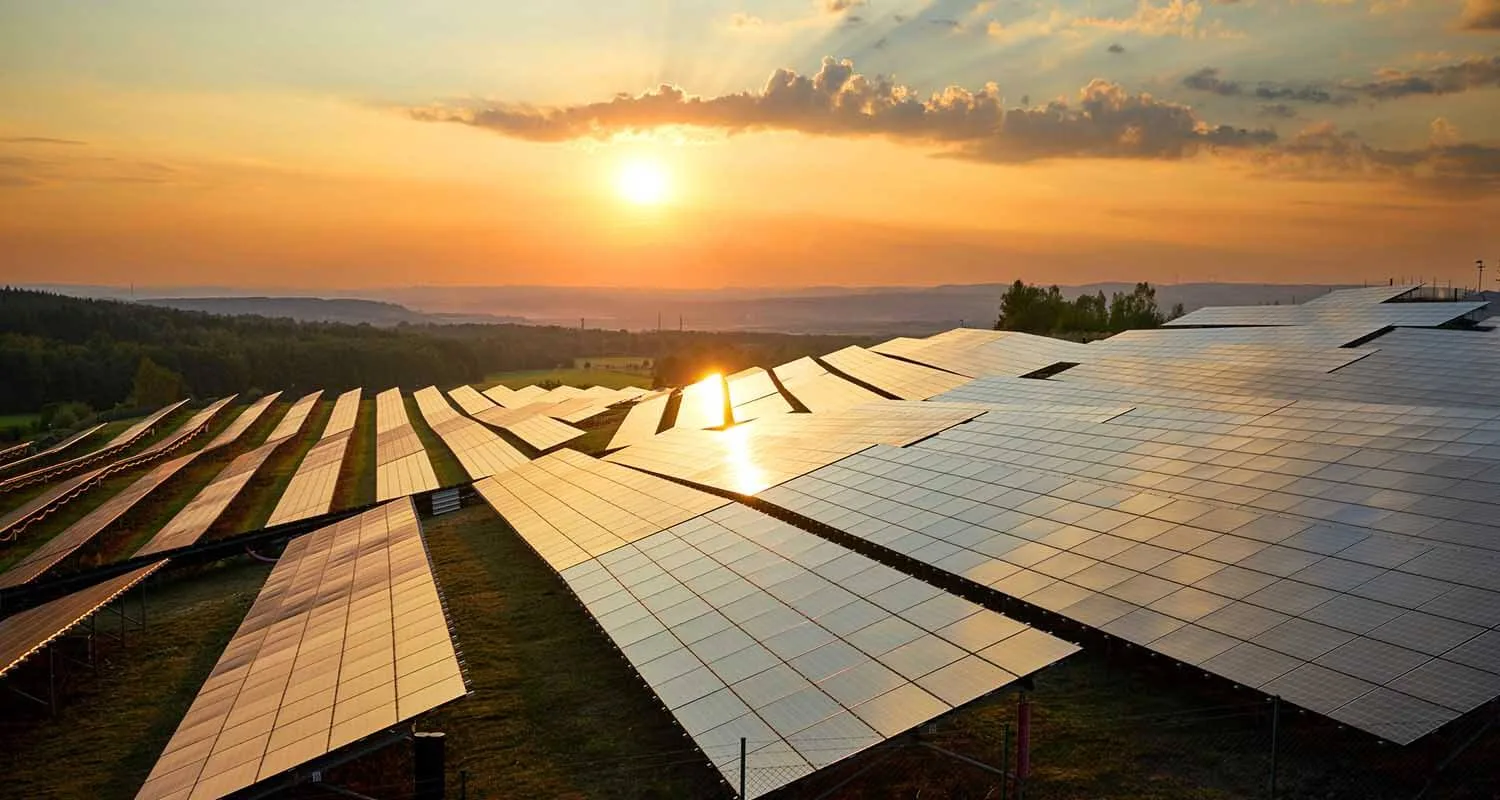
The phase out of fossil fuels is a key requirement for a sustainable and liveable future. You can accelerate that transition and send the right market signal, buy switching to a renewable energy provider at home. Renewable energy mainly comes from wind, solar, hydro or bioenergy. Some people are concerned about the the impact on nature with renewable energy. However the numbers couldn't be clearer. Renewable energy are better for biodiversity, cause less deaths both for humans and animals, produce cleaner air, and have less GHG emissions with is key towards a net zero, low-carbon world.

Climate actions49
The most effective climate actions, curated and enriched with resources to complete them.
Not all climate actions are equal. These are ranked by how much they actually reduce emissions, with an effort rating so you can start where it fits your life — and every action links to the products, companies and resources you need to complete it.
Start here — highest impact
Choosing a sustainable bank means that your money is doing good and supports the causes you care about while you are asleep. Legacy banks use your money to finance planetary destruction by lending money to evil industries like the fossil fuel, meat and dairy, or weapon industry. Sustainable banks only invest in industries that make the planet and our societies thrive. They invest in renewable energy and other impact industries. Switching your bank is one of the most impactful and easiest climate actions available, that most people don't have on their radar.
Voting is one of the most effective (climate) actions for people in democracies and it's super simple too. Climate-focused parties will try to renew the economy into a low-carbon, sustainable and just world for everyone! Sometimes it can feel that these parties want to "take something away" from people. The truth is, they follow the scientific consensus and try to find ways to avoid the worst effects of climate change (which will derail the global economy and life as we know it if we don't act). When you look closely, many of the sustainable alternatives needed for a sustainable and just world like electric cars, great public transport everywhere, long-distance high-speed trains, heat pumps or even bike friendly cities will improve the life for everyone. Just and fair also means that these changes are made step by step and with low income households and rural areas in mind. They will most likely get more support. Please use your political voice to bring about a sustainable and just world.
Matching climate actions
17 of 49 actions
Air travel will be one of the last sectors to become low carbon. Until then, we need to reduce air travel to a minimum and choose other ground based travel modes. Especially short to mid-range flights, within one country should be replaced by train, bus or if need be a (shared, electric) car. The easy and specifics to implement this climate action will vary across the world, but within Europe it is simple and often comes with the same or faster end-to-end travel times. Ideally, domestic fossil-fuel flights are banned and train travel made reliable and cheap.
Conducting an energy audit for your home is something not everyone can do. Those that do own a house or apartment where they can make these changes should consider it. The result will give you clarity how you free your property from fossil fuels and make it more independant and how much it will cost. You may realise that you can save money with going fully electric, installing solar, heat pumps, adding a wallbox or insulation. Usually these assessments are free and get you started into the right direction.
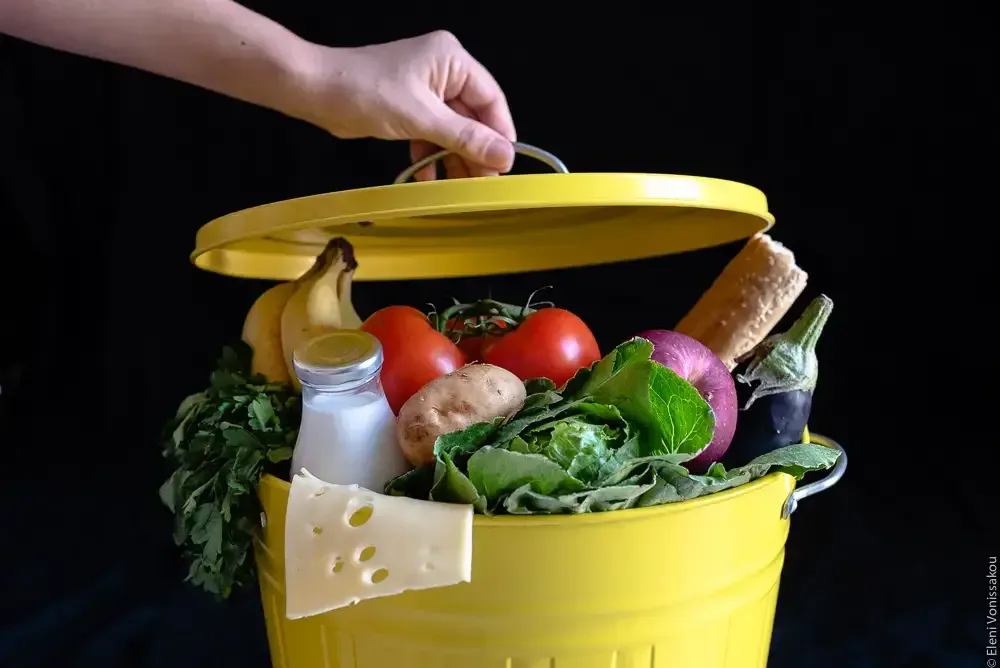
1/3 of the food we produce is being wasted or lost in the process along the value chain. Consumers are one part of the puzzle. Try to plan your meals, use opened items from your fridge quickly and pay special attention to animal products. Wasting animal products like meat or dairy uses the most resources in production and therefore has a big impact when not wasted. Ideally reduce meat and dairy products to a minimum.
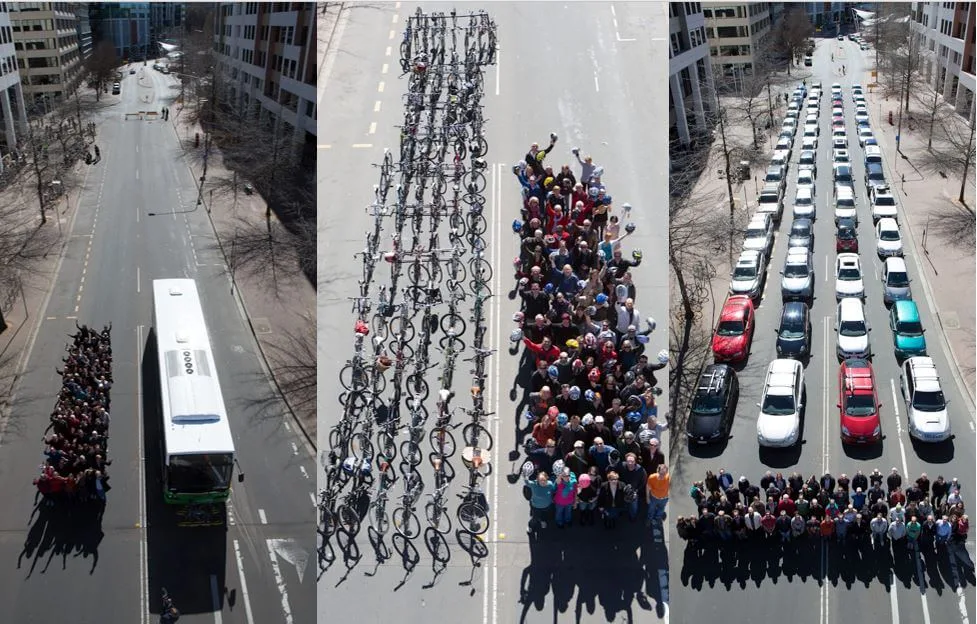
- Car sharing - Public transport - E-Bike or bike - etc -
Opting for alternative modes of transportation or reducing air travel within a continent helps lower greenhouse gas emissions, preserving the environment and mitigating climate change.
Cruise ships are major polluters and no direct sustainable alternatives are in sight (although some of the providers claim so) The best is to switch to smaller-boat sailing adventures. This is one of the "climate actions" where not doing it, is unfortunately the best option to date. The future will thank you.
Once you completed your home energy audit, you know what the most effective ways are to transition to a low carbon, electrified home are. Make sure to work with professionals who know the current subsidies for your region and how you can combine different systems best like insulation, solar, energy storage, heat pump, power wall or charging station. Also don't forget to share your hopefully positive experience with your neighbours, friends, community and colleagues to spread the word and start a movement.
Flying is one of the activities where no direct sustainable alternatives are available. The best you can do is to limit intercontinental flights to as little as possible. Best once in a few years until we get zero-emission intercontinental flights. The second best option is to stay longer or combine the trip with additional activities like a workation, to get the most out of it.
- Limit your shower to 5 mins - Turn off water while soaping - Take a shower instead of a bath - Get a water saving shower head - Be mindful when washing dishes, your car, etc. - Collect and use rainwater for your grass and plants.
The type of food you buy is more important than how it was produced or where or when it was grown. Buying non-organic vegetables flown in, is better than buying organic, local meat or cheese. This being said, if you have the choice, try to buy organic, local, seasonal vegan food for maximum impact.
The two week rule means waiting two weeks before making a purchase. This helps determine if you truly need or want the item, reduces impulse buying and helps you spend thoughtfully and save money along the way. You can apply this to all items you buy, new or pre-loved, electronics, appliances, furniture, fashion and more.
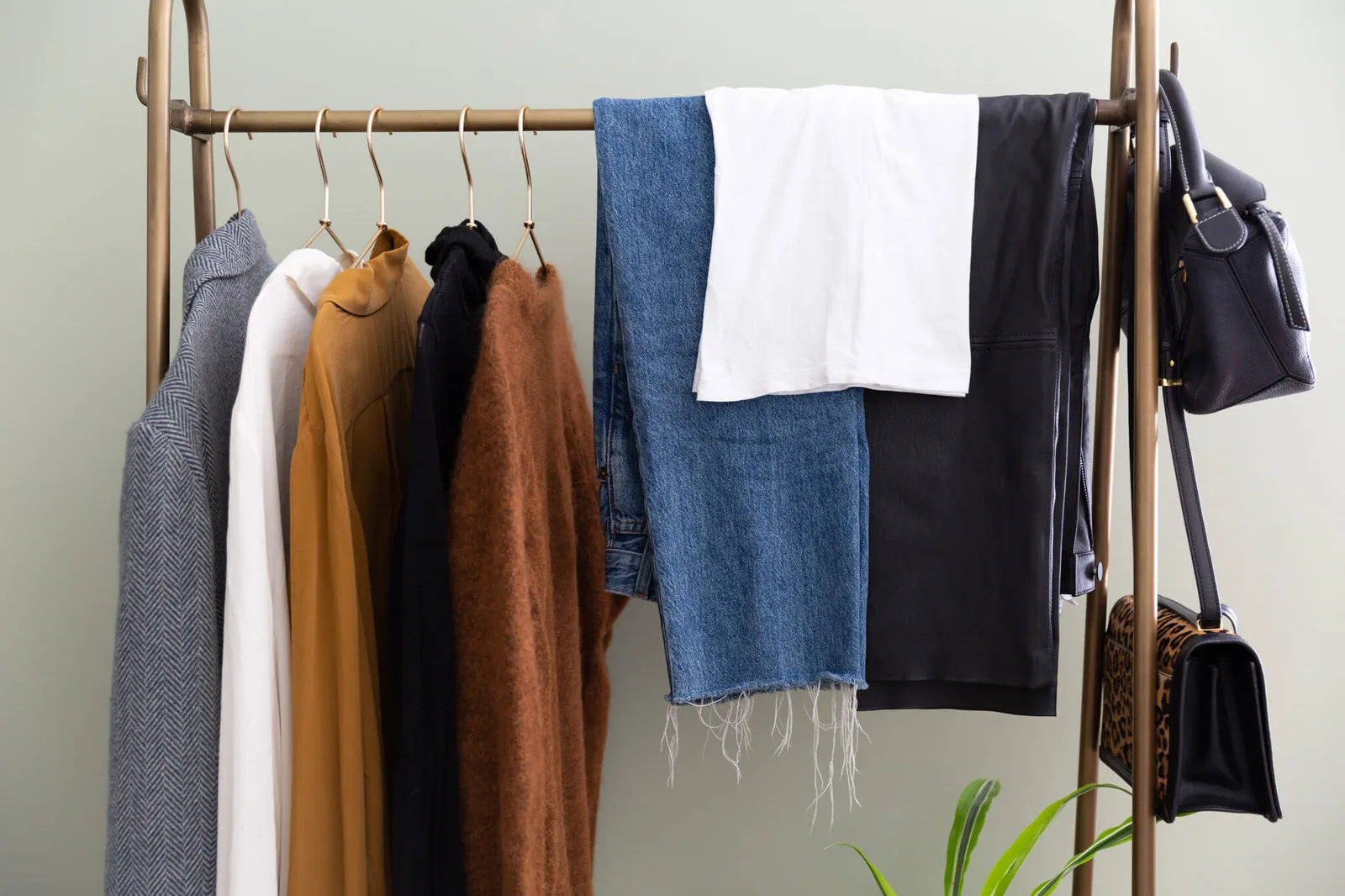
A capsule wardrobe is a collection of essential, versatile clothing items that can be mixed and matched to create numerous outfits. The goal is to have a streamlined wardrobe with fewer pieces, focusing on quality, functionality and ease of mind. Key benefits include: - **Simplified Choices**: Fewer items make it easier to decide what to wear. - **Reduced Clutter**: Less clothing means a more organized and spacious closet. - **Sustainability**: Emphasizes quality over quantity, reduces the need for fast fashion. - **Cost-Effective**: Investing in timeless, durable pieces can save money over time. Typically, a capsule wardrobe includes basics like neutral tops, bottoms, outerwear, and accessories that work well together in various combinations. You can also set a max number of items per category, like max 5 jeans, and always sell one item before you buy a new one in that category.
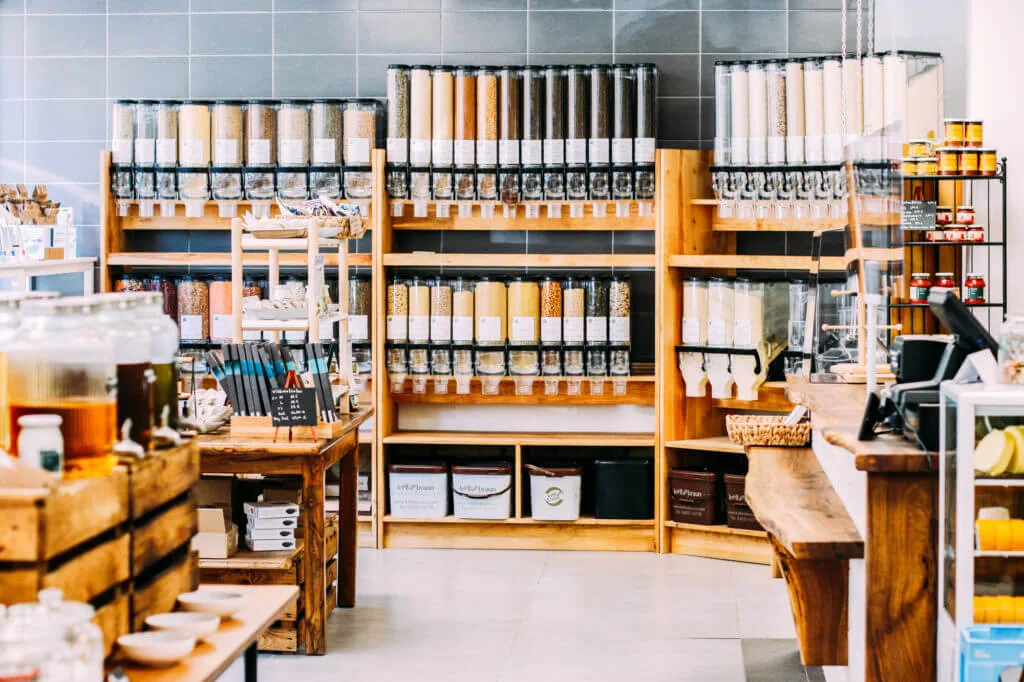
The type of food is more impactful than how it is packaged. A plastic wrapped vegan stake, is better than a non-plastic wrapped, "local" cow-steak. Therefore, before you worry about a plastic free shopping cart, try to reduce animal products like meat or dairy first. For other daily bathroom essential like tooth paste or shampoo, easy plastic free, solid alternatives exist. For these items you only need to a find a replacement and a store once, and then you can forget about it. For other items, try to avoid plastic where possible, but don't beat yourself up for this. Try to focus on more impactful actions first. In places with bad recycling infrastructure, advocate for it.
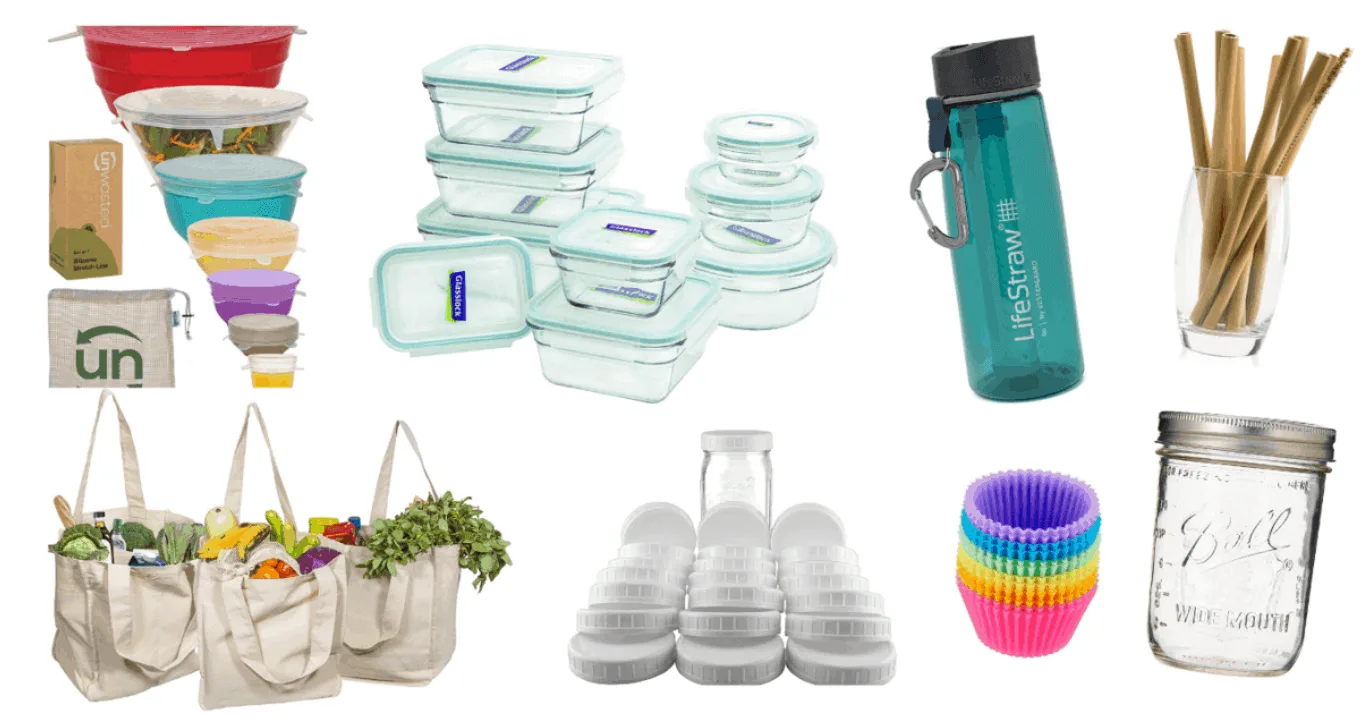
This action involves choosing products that can be reused multiple times over disposable alternatives that contribute to landfill and pollution. Here are the key benefits and actions involved: 1. Reduces Waste: By opting for multi-use products, you contribute to a significant reduction in the amount of waste that ends up in landfills and oceans. Single-use products, particularly plastics, are a major source of environmental pollution. 2. Lowers Carbon Footprint: The production, transportation, and disposal of single-use items consume energy and resources, emitting greenhouse gases. Multi-use products, on the other hand, have a lower carbon footprint over their lifecycle due to reduced frequency of production and disposal. 3. Saves Money: Although multi-use items may have a higher upfront cost, they save money in the long run by reducing the need for frequent replacements. The mantra here is: Quality over quantity. In order for these benefits to be true, the multi use product needs to be used for a longer time.
Opening the windows in the morning will use the cool air from outside to cool down your house naturally, provides fresh air and reduces the need for air conditioning, saving you energy and money along the way. A simple habit to follow. Before you stress about this one, try to switch your energy provider to a renewable one first.
The type of food you buy is more important than how it was produced or where or when it was grown. Buying (non-organic) vegetables flown in, is better than buying (organic), local meat or dairy. The food miles only make about 5-20% of the food's emissions. This being said, if you have the choice, try to buy organic, local, seasonal vegan food for maximum impact.
Switching to LEDs and home is part of making your home more energy efficient. It's a simple one-time action that can greatly reduce your energy use and save you money along the way.
Frequently asked questions
What is the most effective climate action for an individual?
Switching where your money sits (bank, pension, investments) and moving your home to a renewable energy provider consistently top the list: both are one-off decisions with a large, lasting emissions effect. Flying less and eating more plant-based follow close behind.
How are impact and effort rated?
Impact is rated 1 to 5 based on the emissions avoided per year, effort 1 to 5 on how much time, money and habit change the action needs. High impact with low effort is where we suggest starting.
Does individual climate action even matter?
Yes — both directly and through the market and political signal it sends. Individual choices shift demand, and demand shifts what companies build and what governments dare to regulate.