Lesson 8: Waste & Resources
Waste, plastics recycling and resources
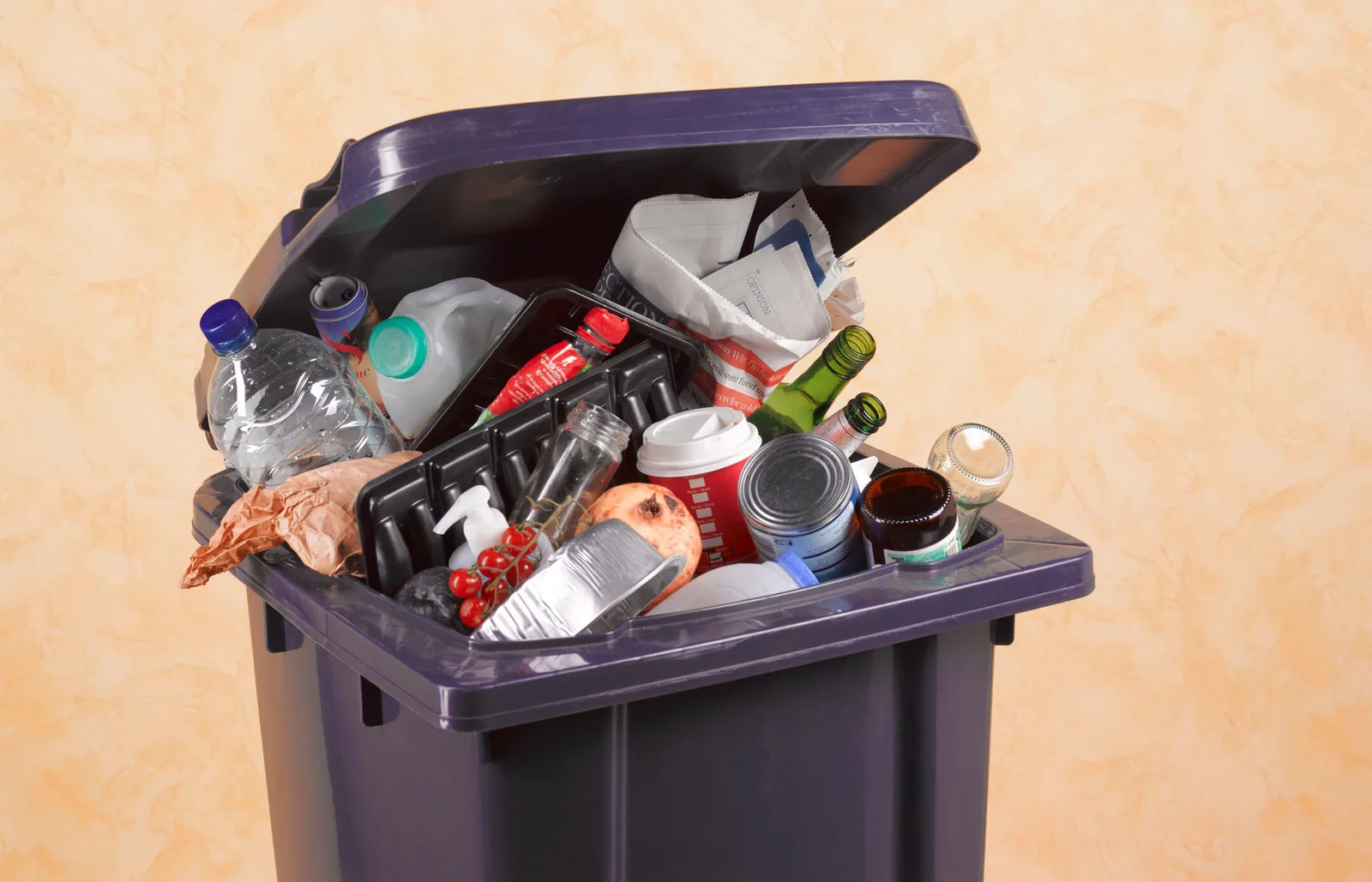
This lesson covers consumption more broadly and what happens to the things we no longer need. It will also help individuals reduce their plastic consumption and live a more sustainable lifestyle. Participants will learn about the environmental impact of plastic and explore alternative materials and products that are more sustainable. They will also learn practical tips and strategies for reducing plastic waste in their daily lives, from simple swaps to more significant changes.
Complementary resources
Explore the material behind this lesson, or go deeper. These resources are optional.
29 results
Climavores is a show about eating on a changing planet. Each week, journalists Tamar Haspel and Mike Grunwald explore the complicated, confusing, and surprising relationship between food and the environment.
"Cradle to Cradle" by Braungart and McDonough presents a radical approach to environmentalism, advocating for waste-free, value-creating design.
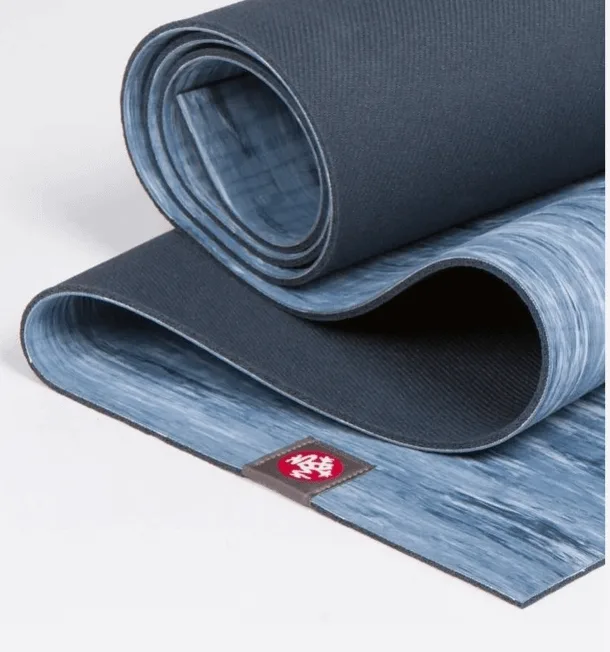
This eco-friendly yoga mat is made from responsibly sourced rubber tree and provides a naturally grippy surface with a springy cushion for your yoga practice.
We search for the internet’s best pre-owned products. Faircado is a browser extension that helps you find second-hand and pre-owned tech products, fashion, and more as you shop online.
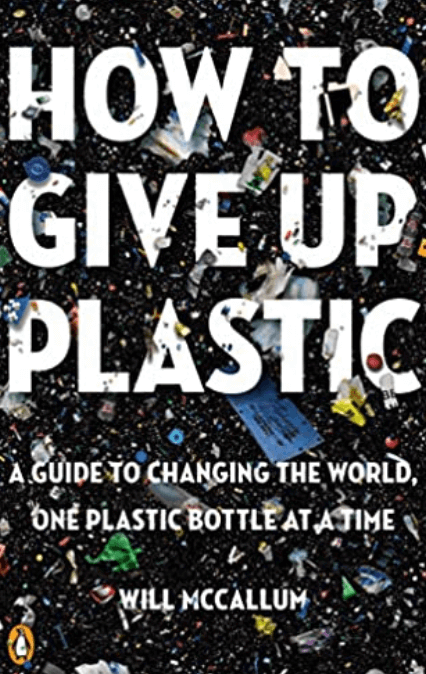
Learn how to eliminate plastic from your life with Greenpeace activist Will McCallum's guide, offering sustainable alternatives and advocacy tips.
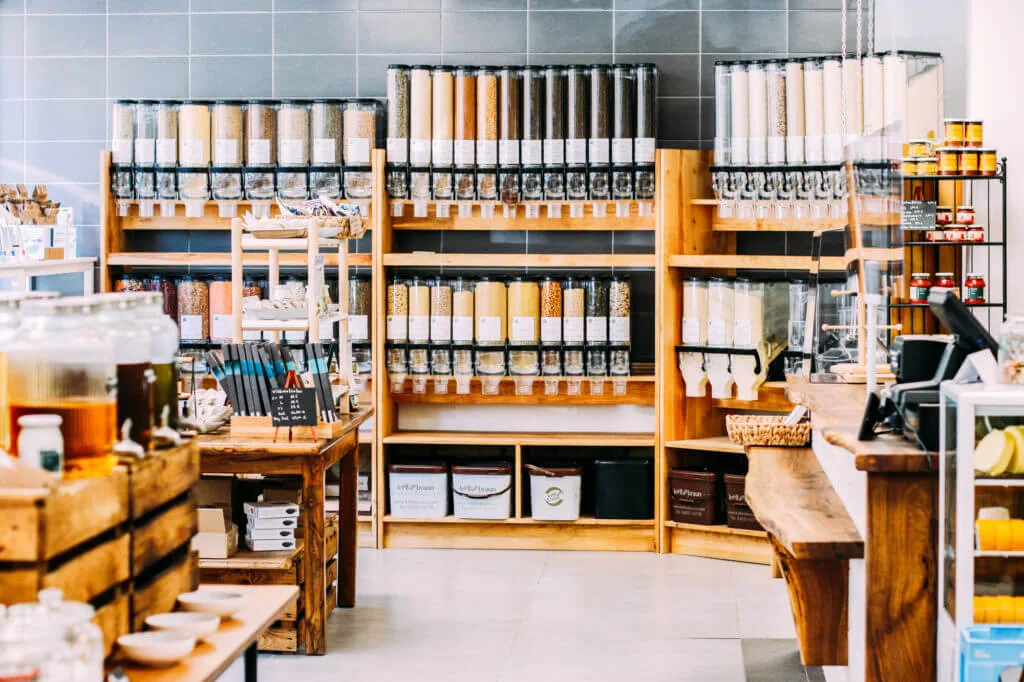
State-by-state directory of zero waste, refillery, bulk stores and composting options in the United States.
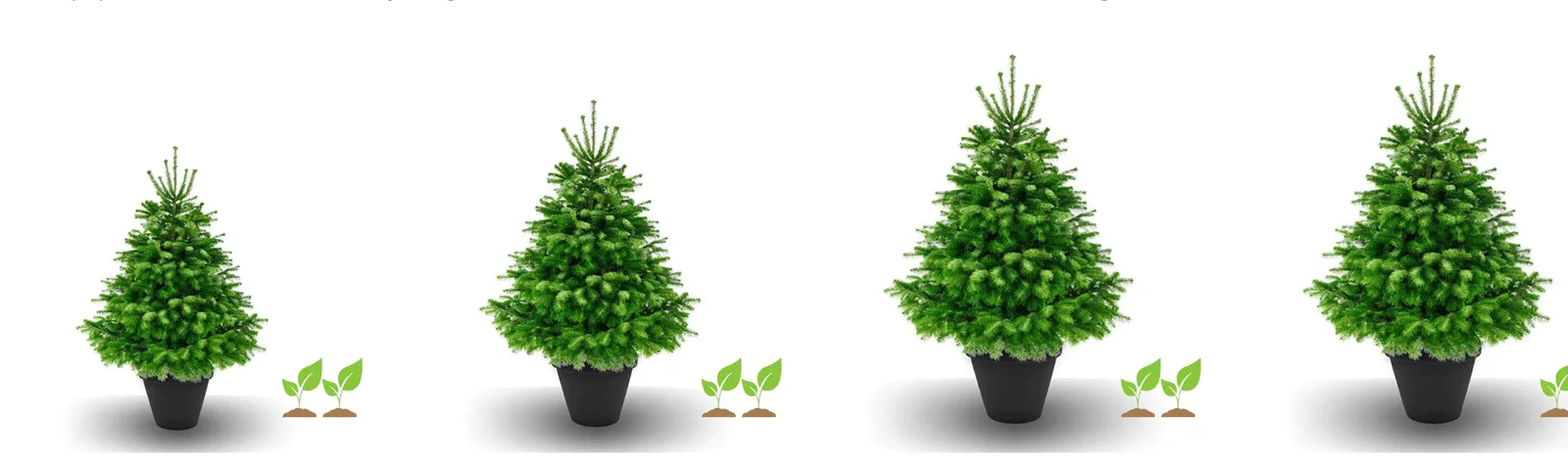
Replants provides a sustainable solution to Christmas tree disposal by delivering living trees to your home, picking them up after the holiday season and planting them in a German forest to help reduce carbon emissions and reforest the area.
Woodcessories offers a range of climate neutral, biodegradable phone cases, desk accessories, and other tech accessories made from wood, stone, plant-based, and recycled plastic materials.
Photocircle is a company that offers a range of art prints and products, with a mission to plant 500,000 trees in Ethiopia by 2023.
Precycle Today offers an easy way to reduce your plastic footprint with monthly subscriptions, an online store plugin, and one-time offsets.
Precycle Today offers an easy way to reduce your plastic footprint with monthly subscriptions, an online store plugin, and one-time offsets.
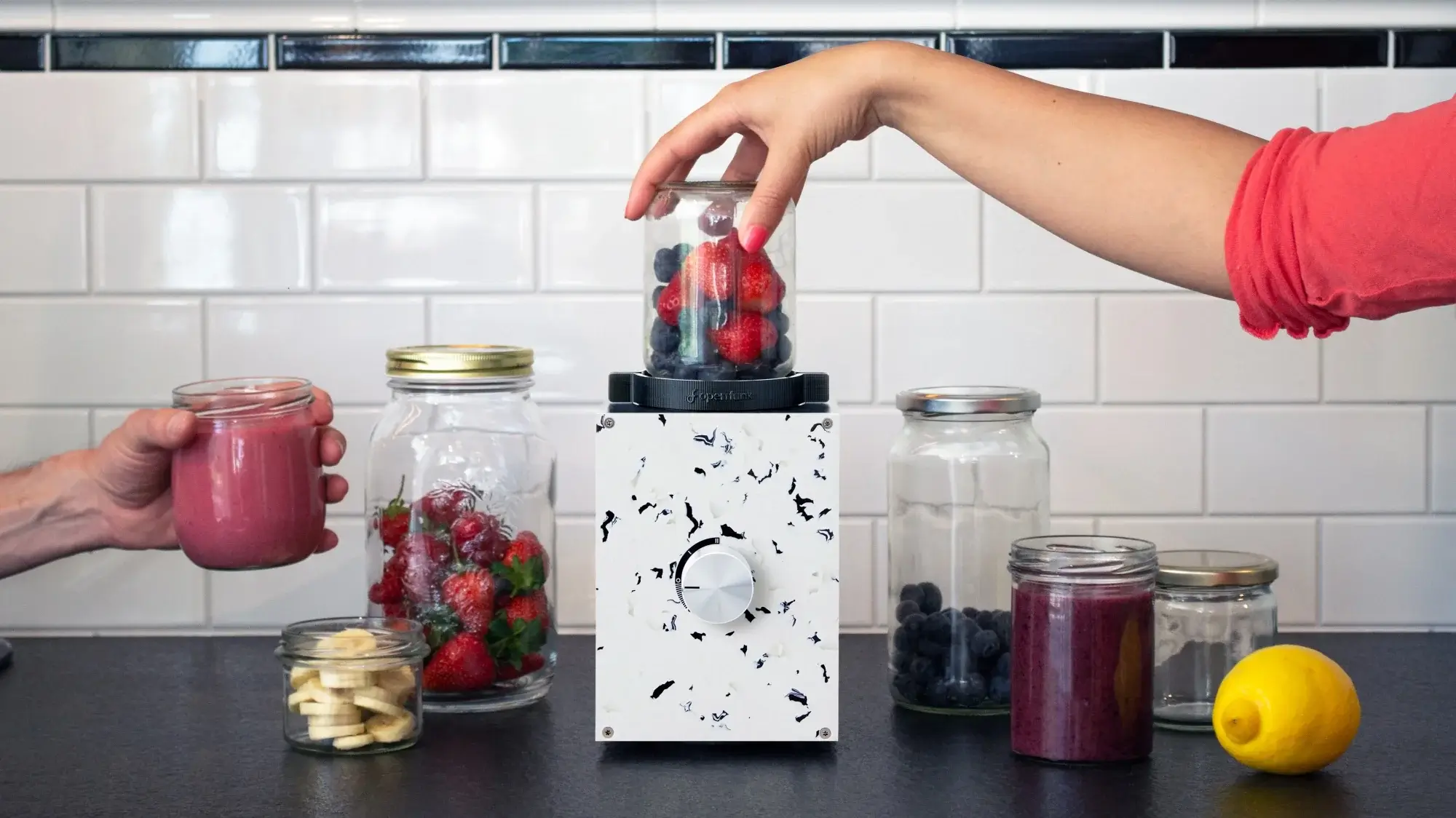
Circular, repairable, open-source blender that supports regular glass jars. The kitchen blender good for people and the planet - durable and handcrafted in Berlin.
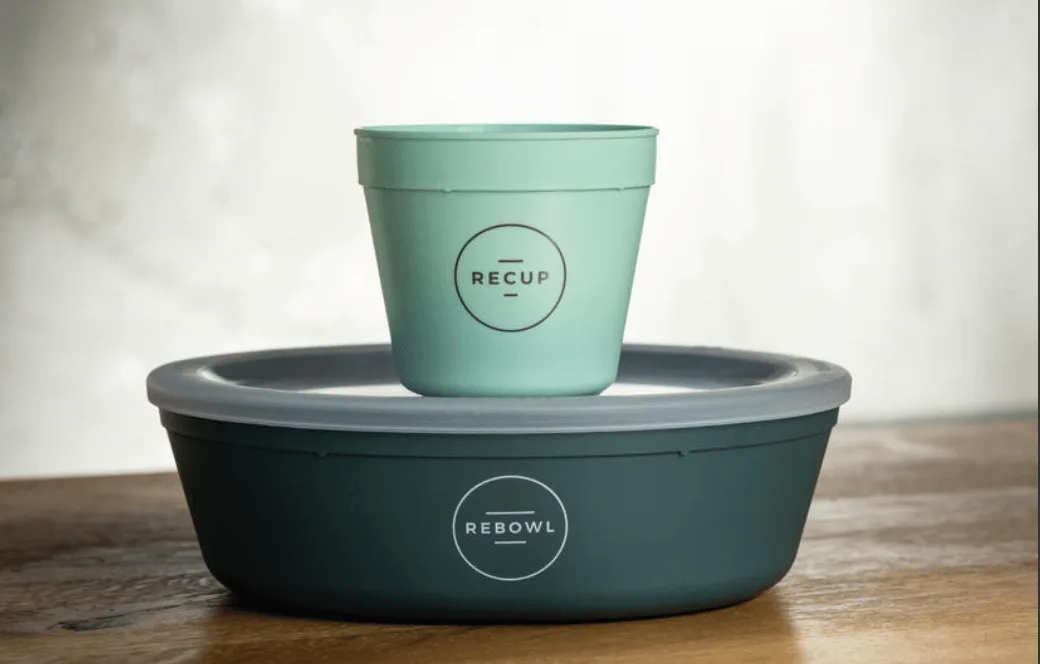
RECUP and REBOWL is a reusable system for gastronomy that replaces single-use coffee cups and food takeaway packaging, helping to reduce disposable, single-use waste.
RECUP and REBOWL is a reusable system for gastronomy that replaces single-use coffee cups and food takeaway packaging, helping to reduce disposable, single-use waste.
This report—a collation of three insight papers—seeks to build a bridge between the theoretical and the practical. It begins by diving into an exploration of regeneration as a drastically different economic paradigm, before providing tangible and actionable approaches for businesses, startups and leaders to practically and actionably engage with the concept.
Retoura purchases B Goods from large retailers, inspects them, and resells them at a discounted price, helping to reduce waste and save money.
Peer to peer organic waste sharing community. Share organic waste with your neighbours and build up soil.
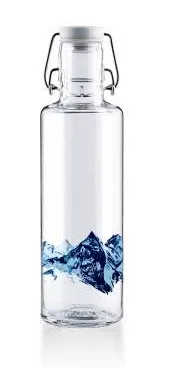
Eco-friendly glass bottles: fair, carbon neutral, toxin-free, plastic-free, vegan, leakproof, and dishwasher safe. Keep our world clean.
Soulbottles are glass bottles made from 80% recycled glass that are climate neutral, vegan, plastic and toxin free, and with every purchase 1€ is donated to help improve access to clean drinking water worldwide, reducing CO2 emissions by 76 tons
Fair, sustainable, climate-neutral bottles supporting global water projects with unique artist designs.
Sourcing Matters is a talkshow for critical issues and the wonderful stories woven into our food system
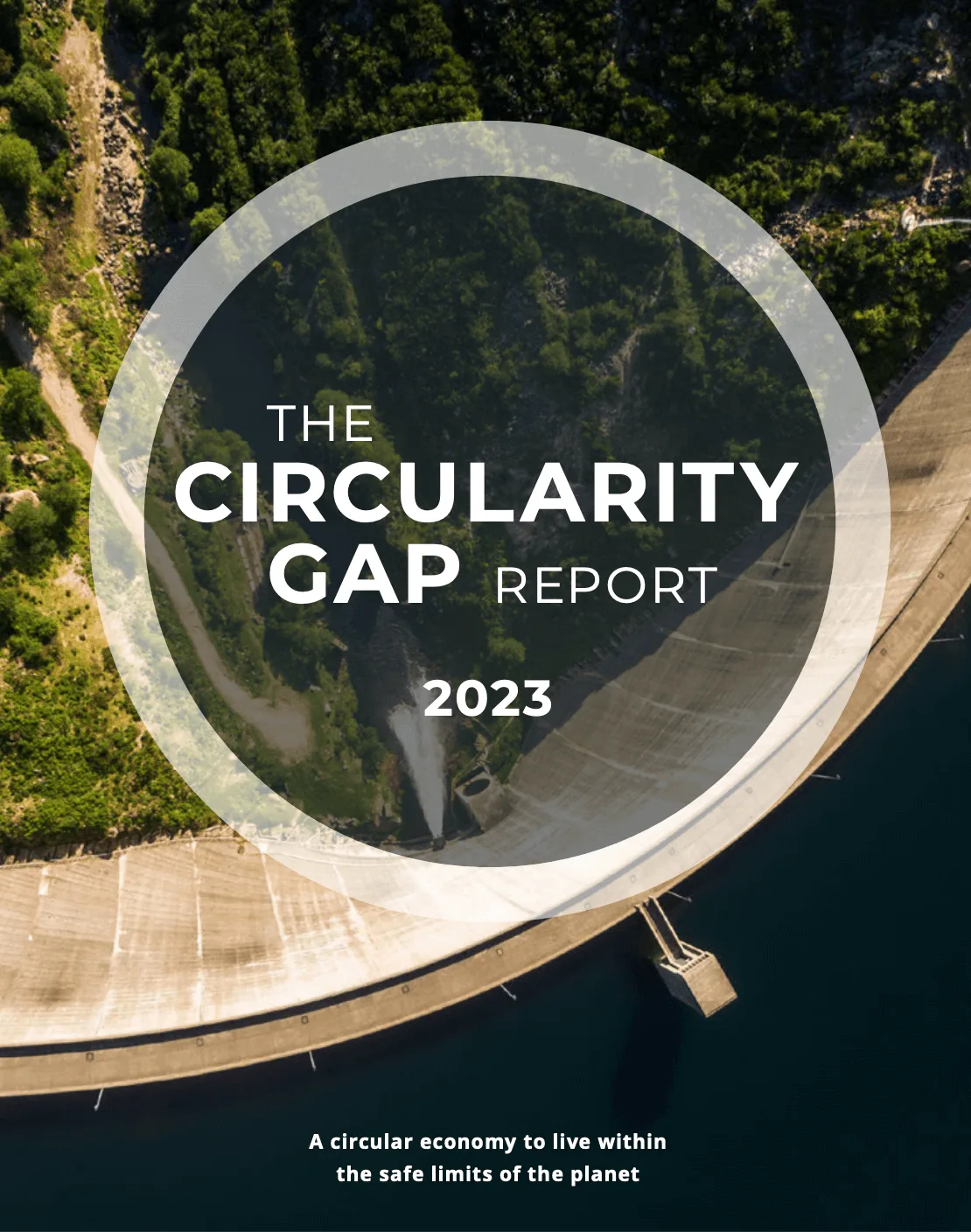
This report lays out some hard truths about how our linear economic model has pushed a range of planetary boundaries to dangerous and unpredictable limits. But it also presents solutions: showing how people’s needs and wants—such as nutrition, mobility, housing, and basic goods—can be satisfied within crucial planetary boundaries
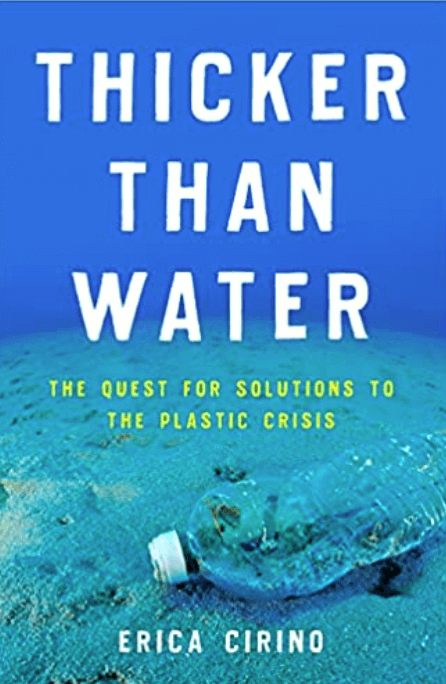
"Explore Erica Cirino's journey uncovering the truth about plastic pollution, its global impact, and the quest for solutions in 'Thicker Than Water.'"
Natural soaps, perfume, scents, scent-candles, and home appliances such as saucers (Untersetzer), Glasses, Cups, serviette and napkins.
In the distant future, a small waste-collecting robot inadvertently embarks on a space journey that will ultimately decide the fate of mankind.
Woodcessories offers a range of climate neutral, biodegradable phone cases, desk accessories, and other tech accessories made from wood, stone, plant-based, and recycled plastic materials.











What to do with this
All 8 actions for this lesson. Open an action to explore its tools, products and companies. Actions are ordered by impact rating.
Start here
Individual
ImpactEffort- Limit your shower to 5 mins - Turn off water while soaping - Take a shower instead of a bath - Get a water saving shower head - Be mindful when washing dishes, your car, etc. - Collect and use rainwater for your grass and plants.
Individual
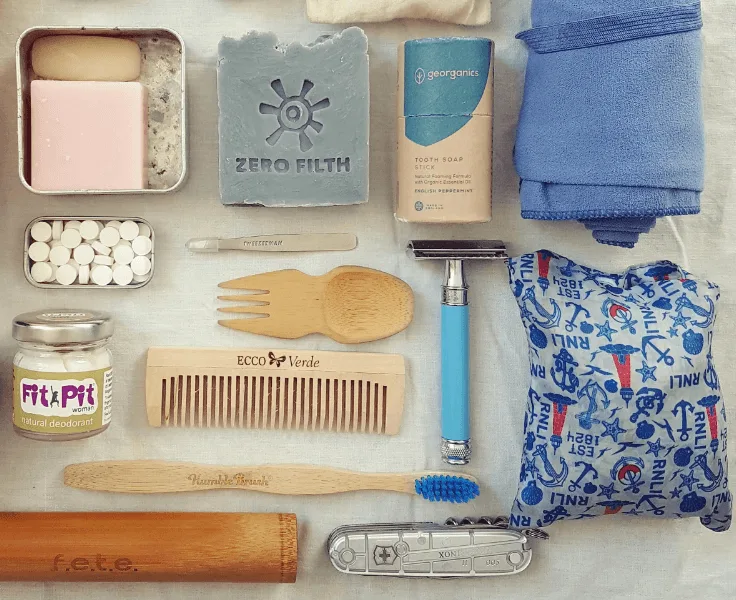
ImpactEffortThe type of food is more impactful than how it is packaged. A plastic wrapped vegan stake, is better than a non-plastic wrapped, "local" cow-steak. Therefore, before you worry about a plastic free shopping cart, try to reduce animal products like meat or dairy first. For other daily bathroom essential like tooth paste or shampoo, easy plastic free, solid alternatives exist. For these items you only need to a find a replacement and a store once, and then you can forget about it. For other items, try to avoid plastic where possible, but don't beat yourself up for this. Try to focus on more impactful actions first. In places with bad recycling infrastructure, advocate for it.
Individual
ImpactEffortThe two week rule means waiting two weeks before making a purchase. This helps determine if you truly need or want the item, reduces impulse buying and helps you spend thoughtfully and save money along the way. You can apply this to all items you buy, new or pre-loved, electronics, appliances, furniture, fashion and more.
Individual
ImpactEffortEliminating single-use plastic products from your bathroom reduces plastic pollution in oceans and landfills, protecting marine life, and conserving resources while promoting a healthier ecosystem.
Individual
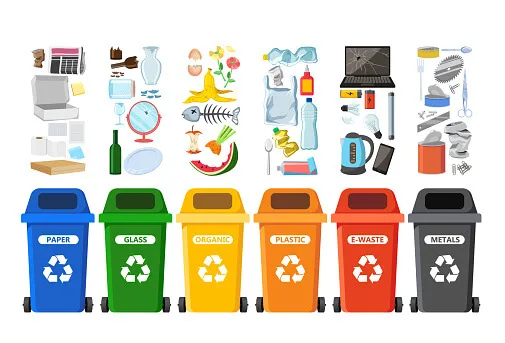
ImpactEffortMany people are not separating and recycling correctly. Even though much of the plastic is being burned and called "recycling" it makes a difference. Always separate the different materials from each other. For example remove the paper and the aluminum lid from the plastic yoghurt cup (even if they go into the same bin) and sort your waste into the correct bins. This makes it easier for the machines in the recycling facilities to identify and sort the waste correctly and therefore increases recycling rates and material recovery. Check local recycling guidelines to learn how your bins work.
Individual
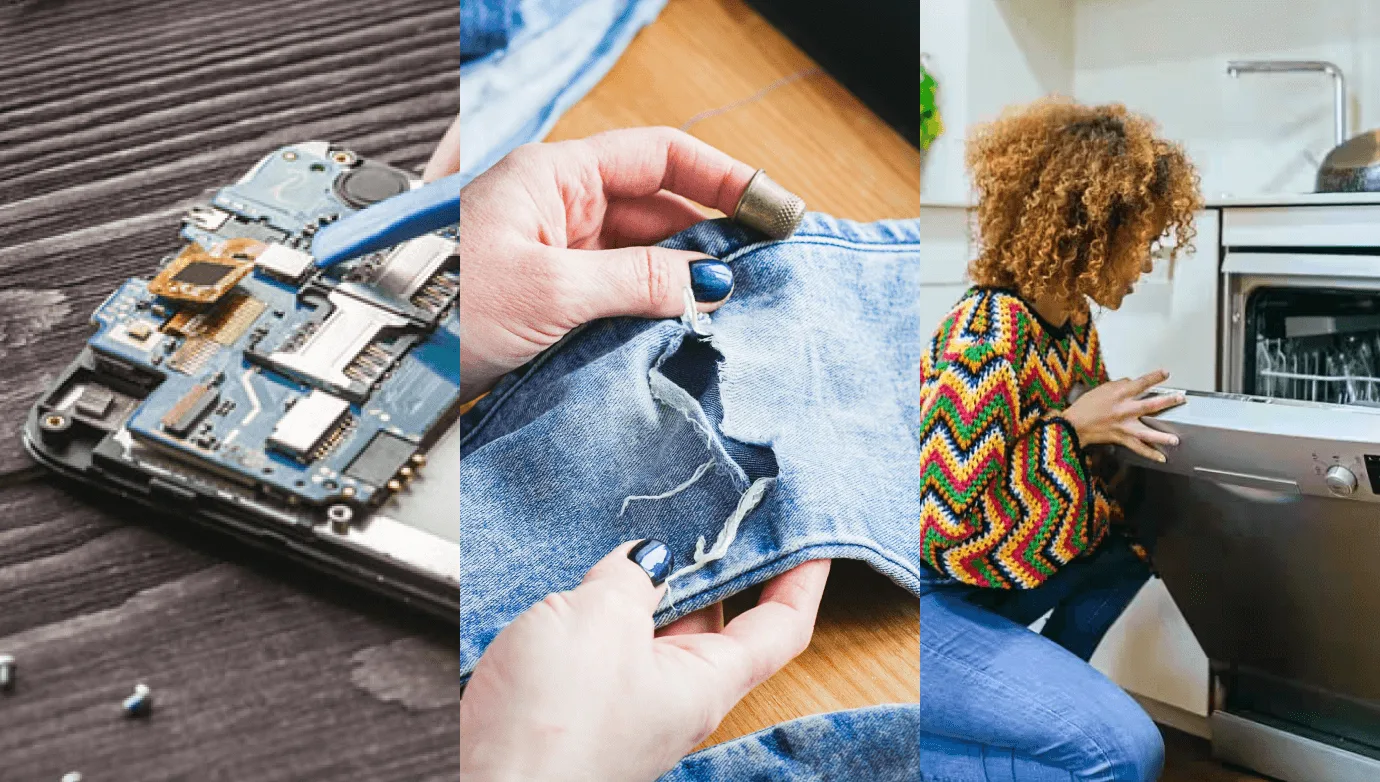
ImpactEffortRepairing items increases their lifespan and ideally saves you money along the way. If you are skilled you can repair items yourself buy buying the right repair kit if you don't already have it, ask someone you know, or have it repaired by a professional. Additionally you can also advocate for better repairability (especially for electronic devices) on a political level. If you cannot repair them or the repair is too expensive, try to resell it to a marketplace or on second-hand shops and buy a new pre-loved item. This way you spend less and keep things in the cycle. Common items you should try to repair electronics, appliances, furniture, clothes and more.
Individual
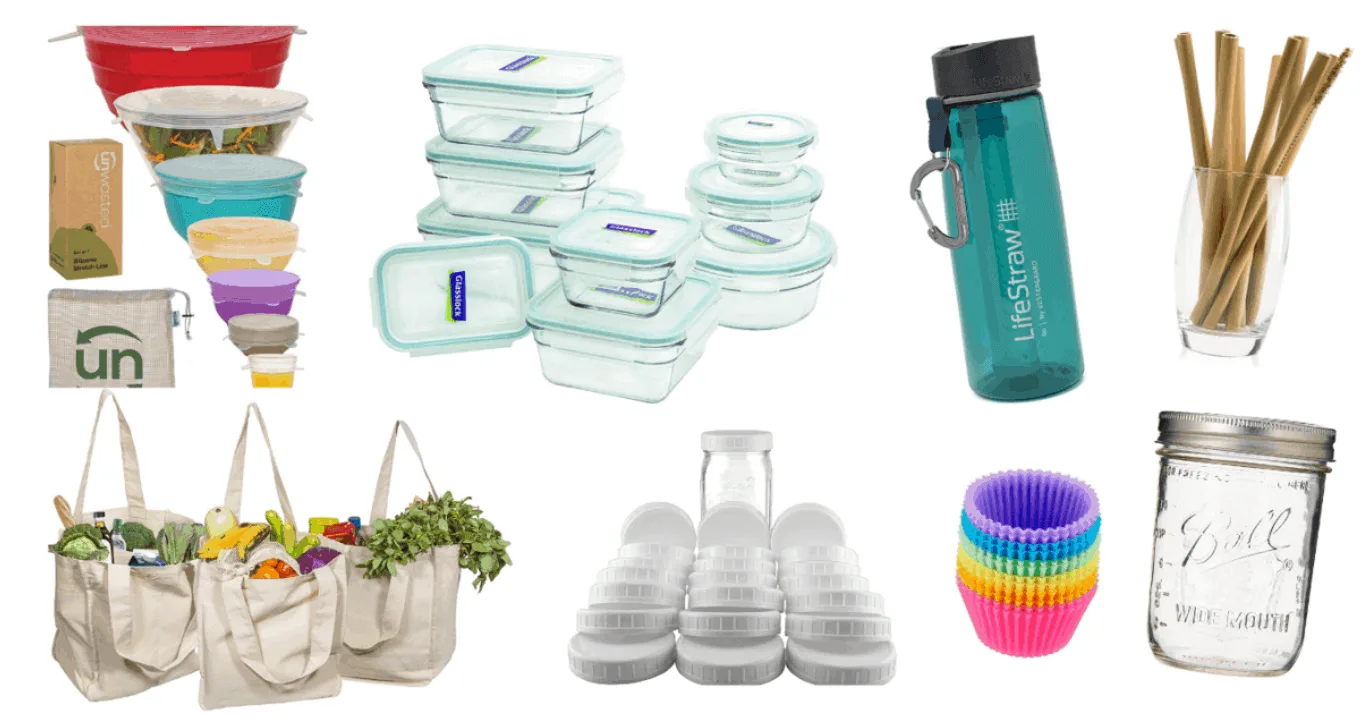
ImpactEffortThis action involves choosing products that can be reused multiple times over disposable alternatives that contribute to landfill and pollution. Here are the key benefits and actions involved: 1. Reduces Waste: By opting for multi-use products, you contribute to a significant reduction in the amount of waste that ends up in landfills and oceans. Single-use products, particularly plastics, are a major source of environmental pollution. 2. Lowers Carbon Footprint: The production, transportation, and disposal of single-use items consume energy and resources, emitting greenhouse gases. Multi-use products, on the other hand, have a lower carbon footprint over their lifecycle due to reduced frequency of production and disposal. 3. Saves Money: Although multi-use items may have a higher upfront cost, they save money in the long run by reducing the need for frequent replacements. The mantra here is: Quality over quantity. In order for these benefits to be true, the multi use product needs to be used for a longer time.

Reflection
The lesson is free to read and watch. An account is only needed to keep what you write and where you got to.
Reflection is optional. Tick Done in the step bar to close the lesson whenever you are ready.