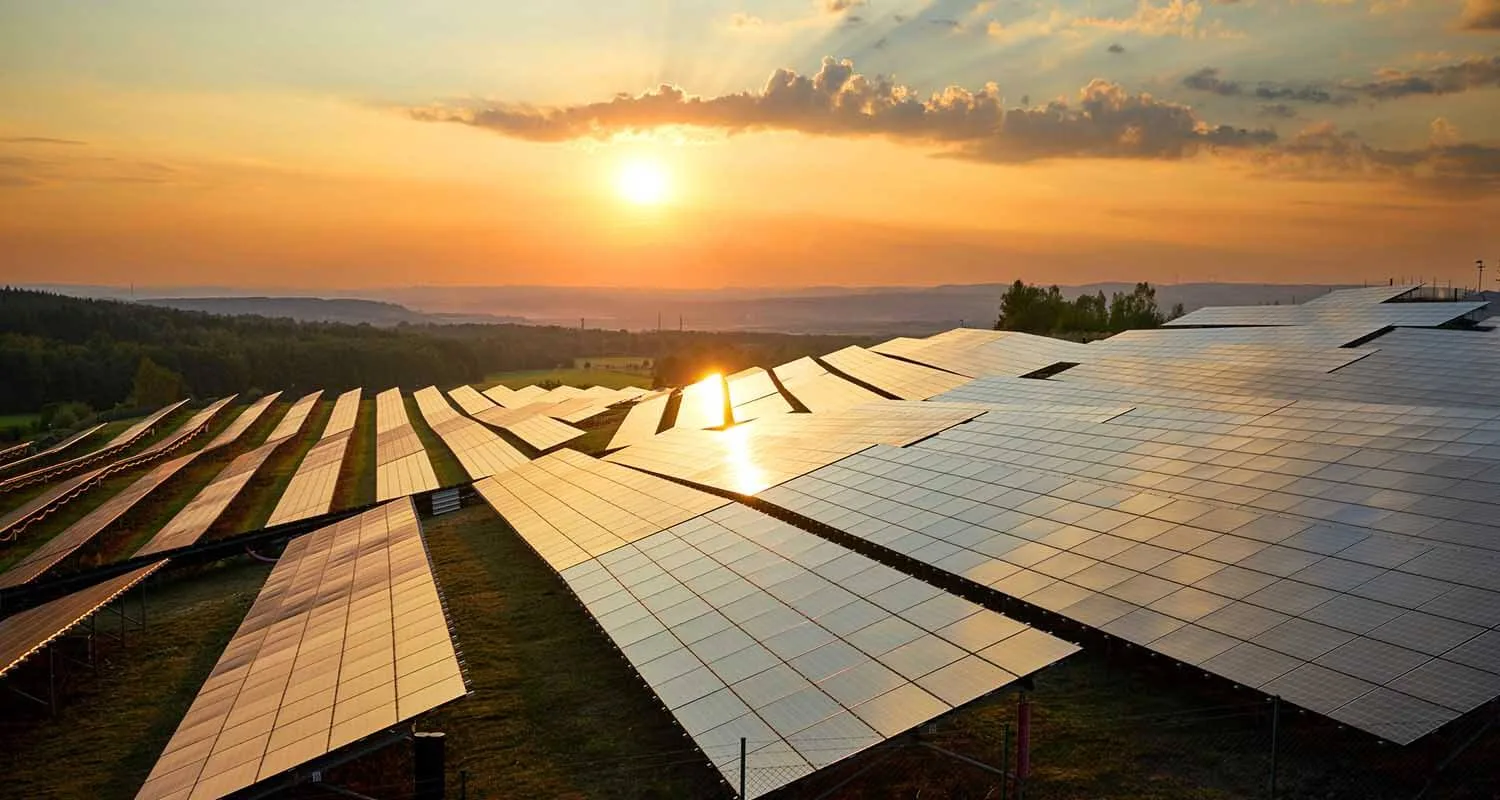
The phase out of fossil fuels is a key requirement for a sustainable and liveable future. You can accelerate that transition and send the right market signal, buy switching to a renewable energy provider at home. Renewable energy mainly comes from wind, solar, hydro or bioenergy. Some people are concerned about the the impact on nature with renewable energy. However the numbers couldn't be clearer. Renewable energy are better for biodiversity, cause less deaths both for humans and animals, produce cleaner air, and have less GHG emissions with is key towards a net zero, low-carbon world.

Climate actions49
The most effective climate actions, curated and enriched with resources to complete them.
Not all climate actions are equal. These are ranked by how much they actually reduce emissions, with an effort rating so you can start where it fits your life — and every action links to the products, companies and resources you need to complete it.
Start here — highest impact
Choosing a sustainable bank means that your money is doing good and supports the causes you care about while you are asleep. Legacy banks use your money to finance planetary destruction by lending money to evil industries like the fossil fuel, meat and dairy, or weapon industry. Sustainable banks only invest in industries that make the planet and our societies thrive. They invest in renewable energy and other impact industries. Switching your bank is one of the most impactful and easiest climate actions available, that most people don't have on their radar.
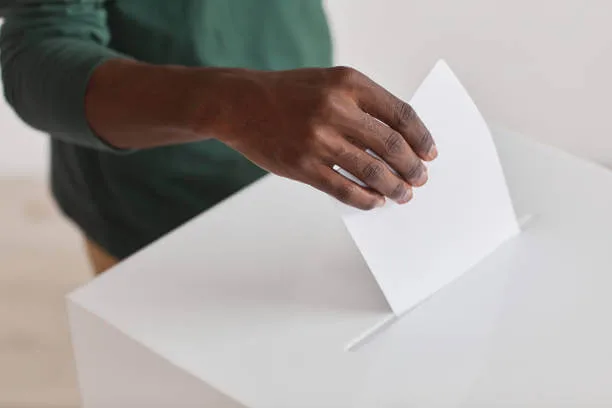
Voting is one of the most effective (climate) actions for people in democracies and it's super simple too. Climate-focused parties will try to renew the economy into a low-carbon, sustainable and just world for everyone! Sometimes it can feel that these parties want to "take something away" from people. The truth is, they follow the scientific consensus and try to find ways to avoid the worst effects of climate change (which will derail the global economy and life as we know it if we don't act). When you look closely, many of the sustainable alternatives needed for a sustainable and just world like electric cars, great public transport everywhere, long-distance high-speed trains, heat pumps or even bike friendly cities will improve the life for everyone. Just and fair also means that these changes are made step by step and with low income households and rural areas in mind. They will most likely get more support. Please use your political voice to bring about a sustainable and just world.
Matching climate actions
12 of 49 actions
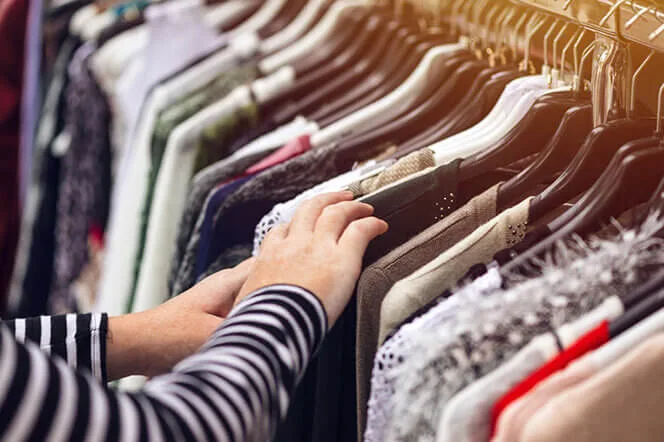
Electronic waste is the fastest growing waste stream next to fast fashion. Today there are trustworthy services that buy and refurbish pre-loved electronics and resell them back. This expands the lifespan of the products, gives you a cheaper price while providing the same experience as new devices. You will get a return policy, warranty and fully functional often modern devices.
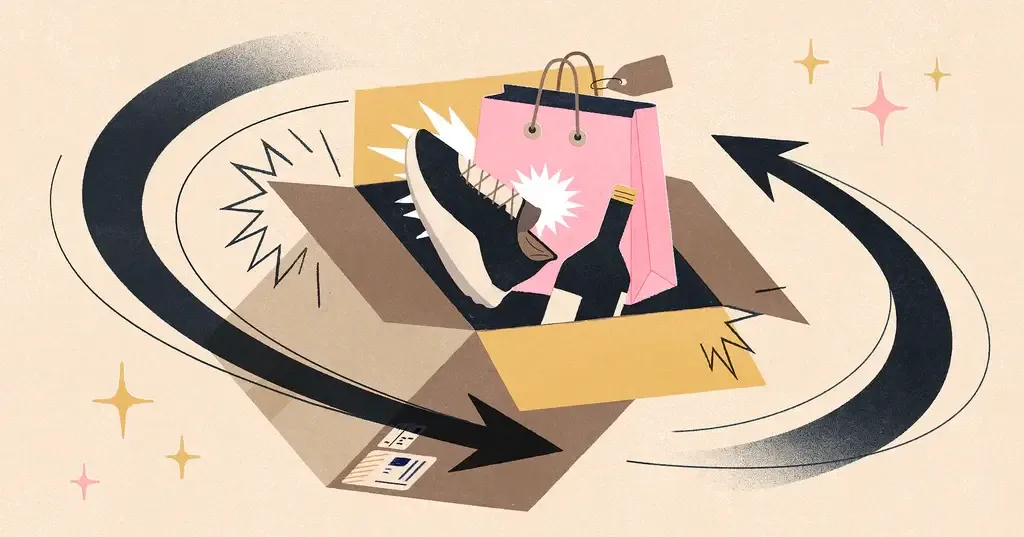
By purchasing second-hand items, you reduce the demand for new products and the energy needed for their production, contributing to lower carbon emissions and resource consumption.
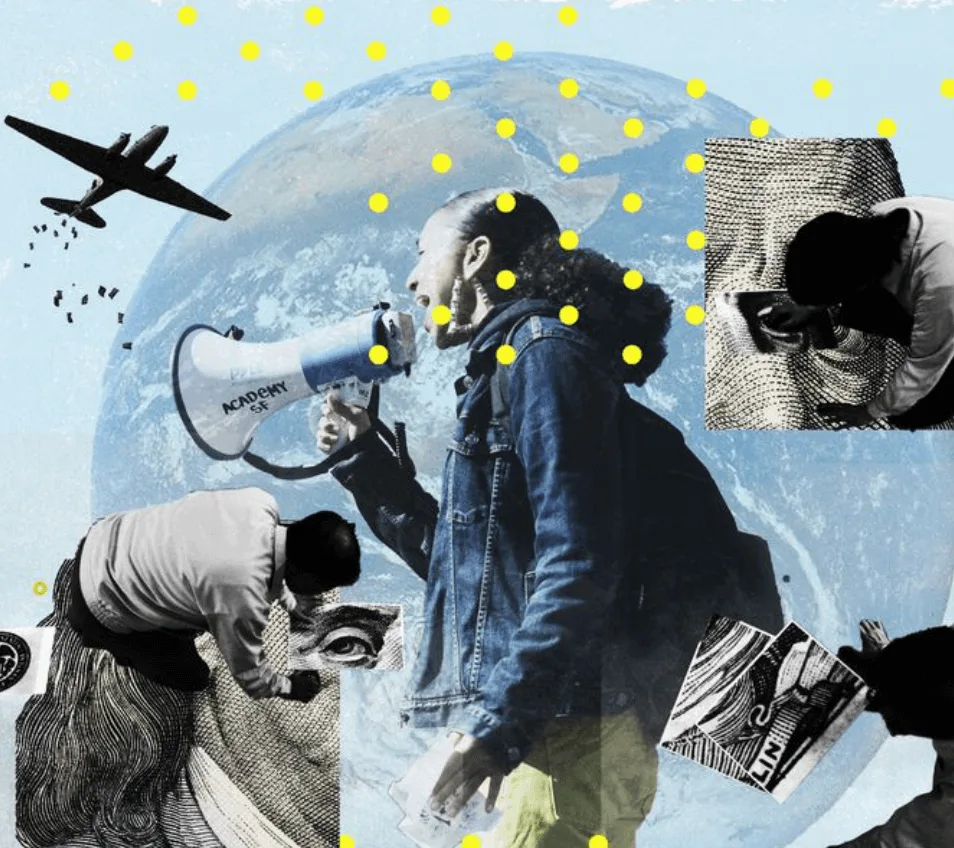
Donating empower experts and activists, enhances public awareness, and supports sustainable practices at both local and global levels. By financially backing organisations fighting climate change, individuals can play a significant role in driving progress, influencing policy, and fostering a sustainable future especially if they don't have the time or the ability to be on the ground themselves. Choosing the right organisation is key.
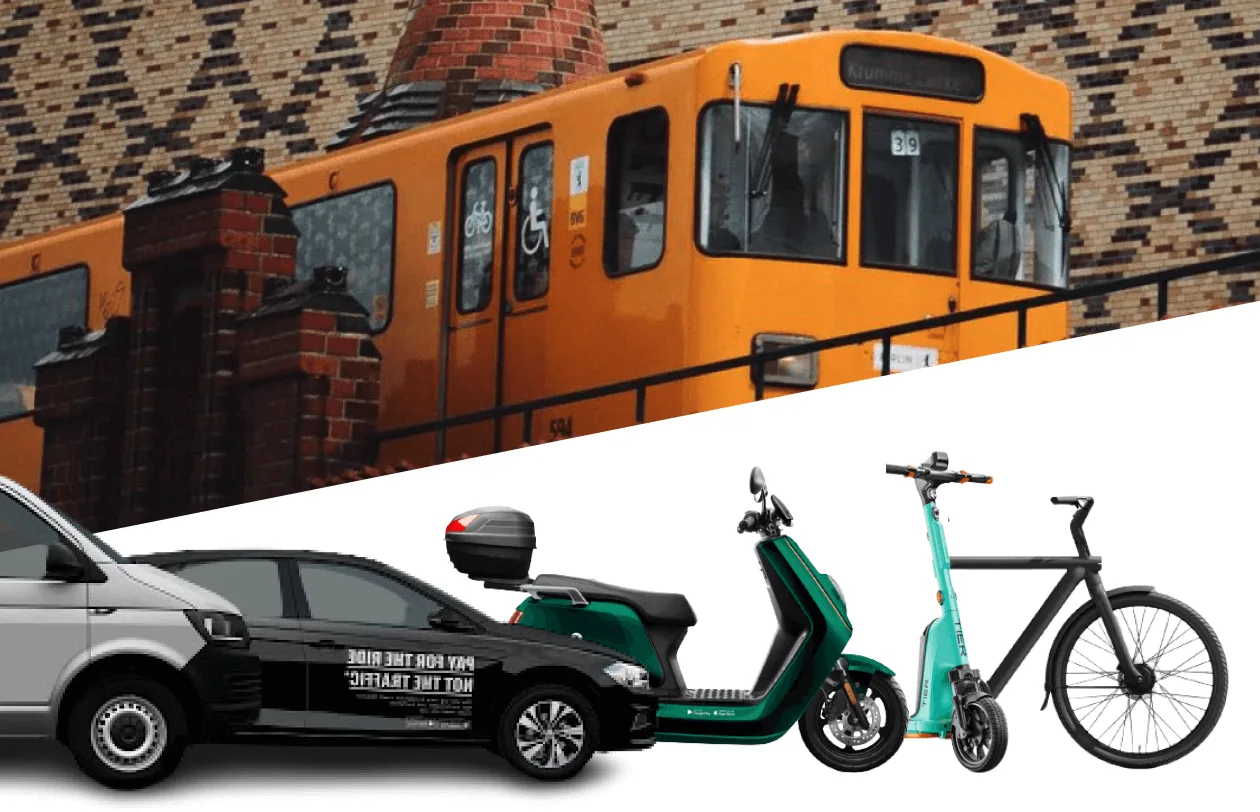
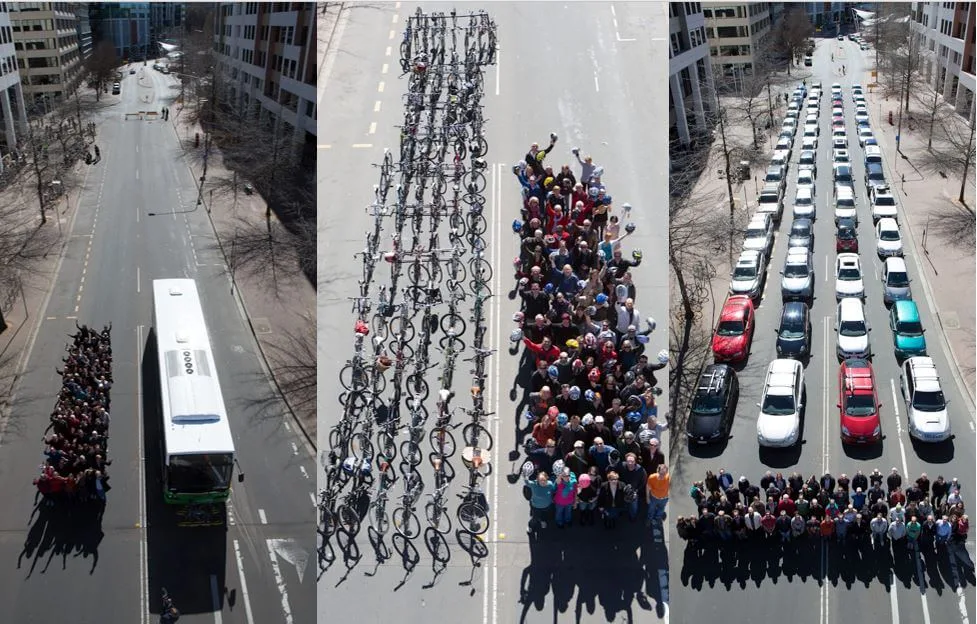
Electric cars are not the sole solution. Within cities the best and fairest solution for all is to use shared services.
- Car sharing - Public transport - E-Bike or bike - etc -
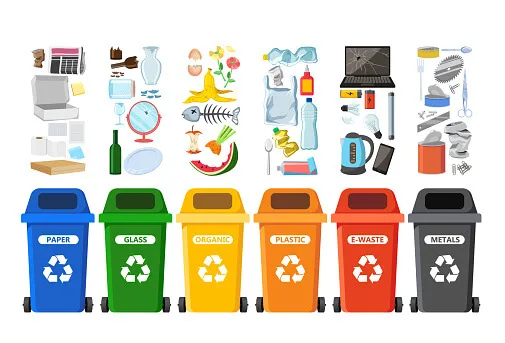
Many people are not separating and recycling correctly. Even though much of the plastic is being burned and called "recycling" it makes a difference. Always separate the different materials from each other. For example remove the paper and the aluminum lid from the plastic yoghurt cup (even if they go into the same bin) and sort your waste into the correct bins. This makes it easier for the machines in the recycling facilities to identify and sort the waste correctly and therefore increases recycling rates and material recovery. Check local recycling guidelines to learn how your bins work.
The world has already enough of everything. Especially in big cities second-hand marketplaces or refurbishing services and malls are available. Buying pre-loved (furniture and home decor) saves you money, extends the lifespans of products and keeps it away from landfills. If you need to carry large items, ask your friends to carry it with you in public transport. Don't be afraid to use allot of space or feel guilty about it. it is a structural problem that will get better the more people demand it. You can also rent a car sharing car (or ask a friend to drive). Usually this is still cheaper than buying a new item.
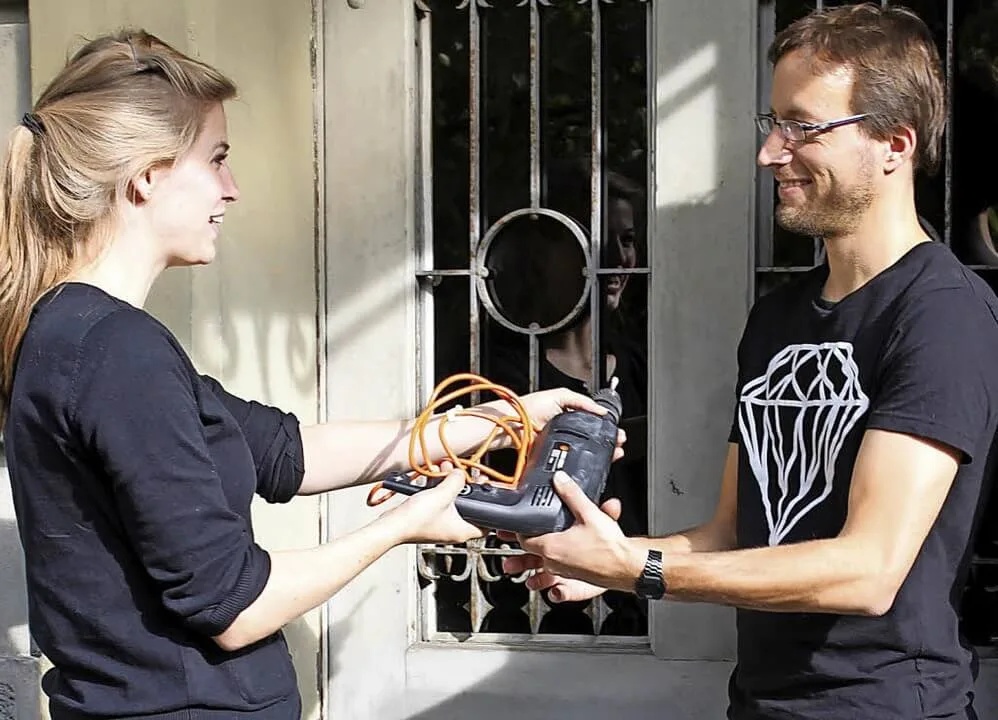
Sharing or renting tools increases the usage of products and helps reduce the amount of rarely needed things in the world. Share your power tools like a drill, ladder, car, anything really with your friends and neighbours. Alternatively you can also rent the items at hardware stores or via sharing communities.
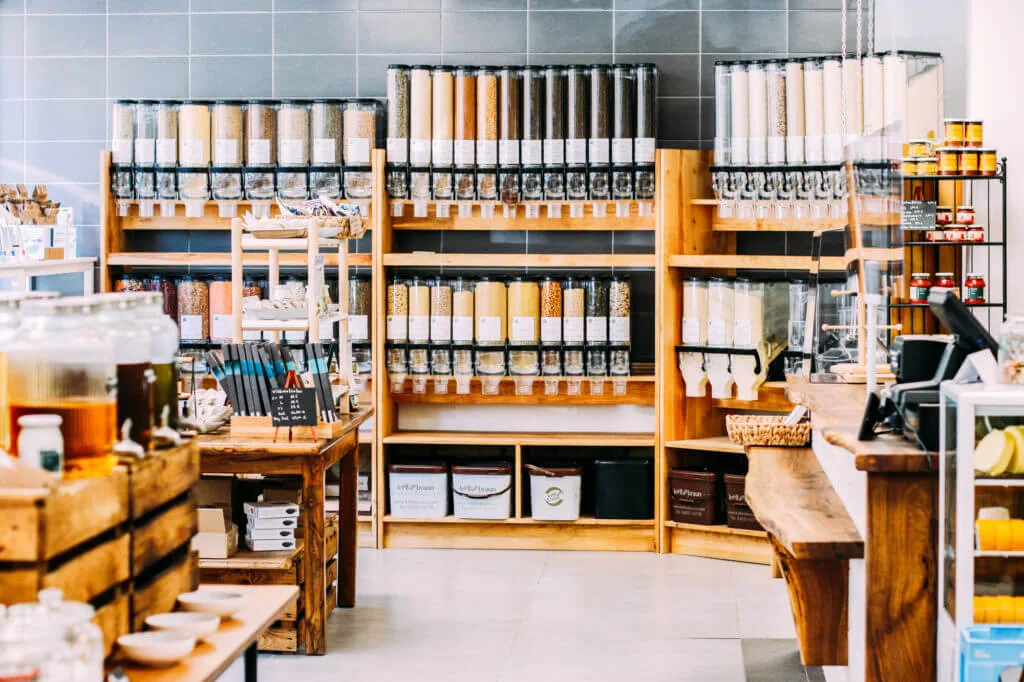
The type of food is more impactful than how it is packaged. A plastic wrapped vegan stake, is better than a non-plastic wrapped, "local" cow-steak. Therefore, before you worry about a plastic free shopping cart, try to reduce animal products like meat or dairy first. For other daily bathroom essential like tooth paste or shampoo, easy plastic free, solid alternatives exist. For these items you only need to a find a replacement and a store once, and then you can forget about it. For other items, try to avoid plastic where possible, but don't beat yourself up for this. Try to focus on more impactful actions first. In places with bad recycling infrastructure, advocate for it.
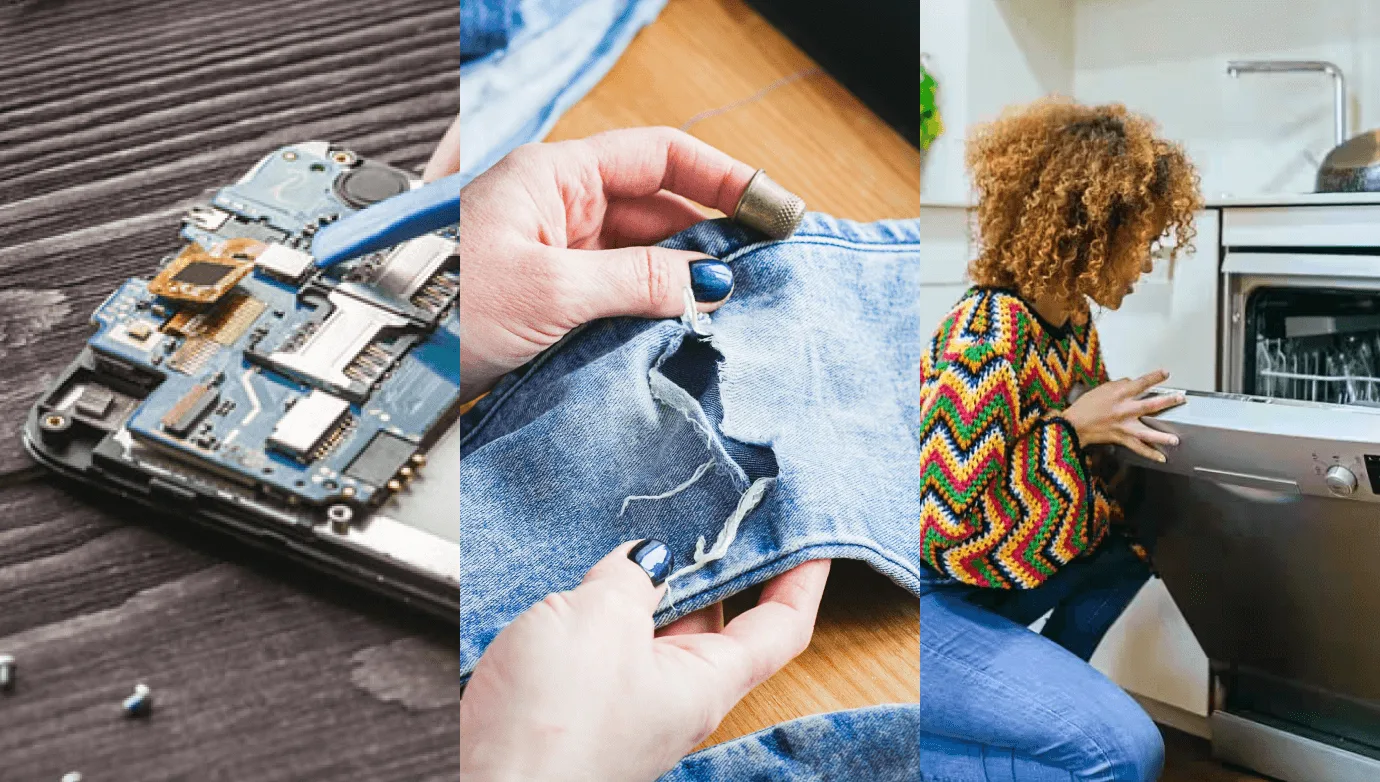
Repairing items increases their lifespan and ideally saves you money along the way. If you are skilled you can repair items yourself buy buying the right repair kit if you don't already have it, ask someone you know, or have it repaired by a professional. Additionally you can also advocate for better repairability (especially for electronic devices) on a political level. If you cannot repair them or the repair is too expensive, try to resell it to a marketplace or on second-hand shops and buy a new pre-loved item. This way you spend less and keep things in the cycle. Common items you should try to repair electronics, appliances, furniture, clothes and more.
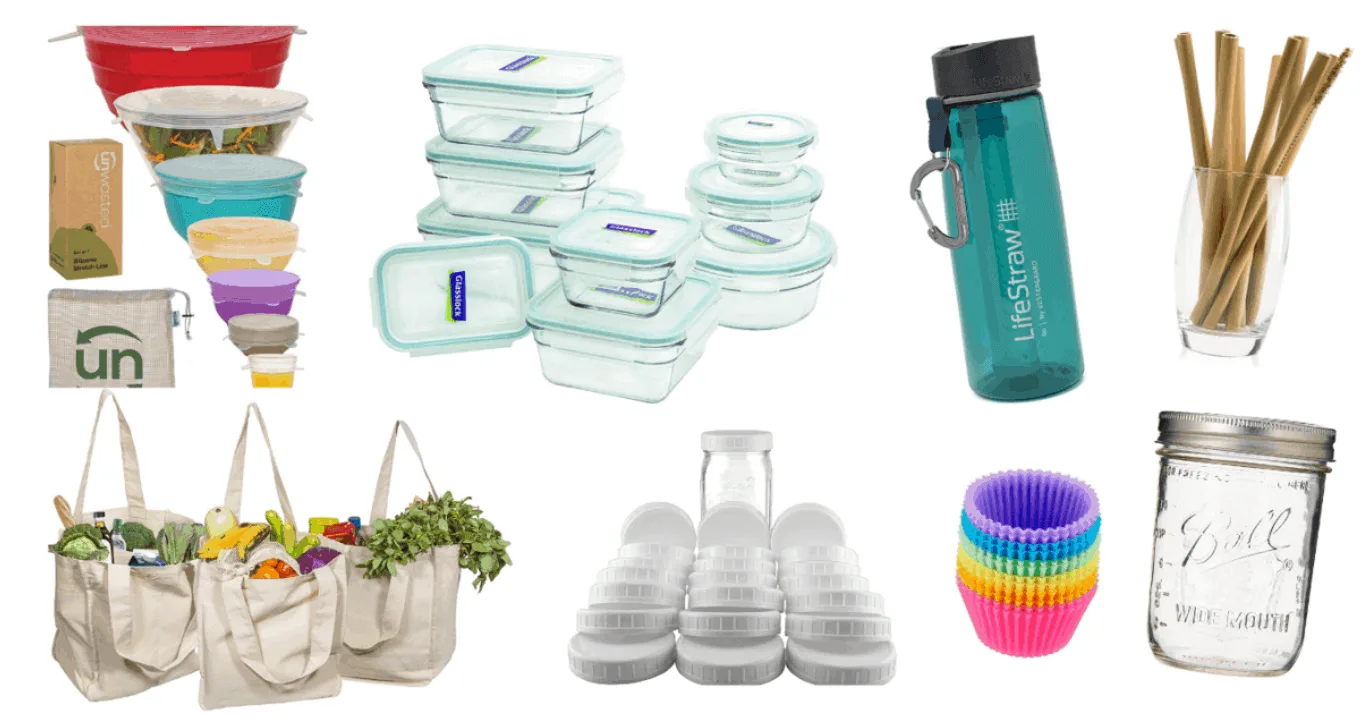
This action involves choosing products that can be reused multiple times over disposable alternatives that contribute to landfill and pollution. Here are the key benefits and actions involved: 1. Reduces Waste: By opting for multi-use products, you contribute to a significant reduction in the amount of waste that ends up in landfills and oceans. Single-use products, particularly plastics, are a major source of environmental pollution. 2. Lowers Carbon Footprint: The production, transportation, and disposal of single-use items consume energy and resources, emitting greenhouse gases. Multi-use products, on the other hand, have a lower carbon footprint over their lifecycle due to reduced frequency of production and disposal. 3. Saves Money: Although multi-use items may have a higher upfront cost, they save money in the long run by reducing the need for frequent replacements. The mantra here is: Quality over quantity. In order for these benefits to be true, the multi use product needs to be used for a longer time.
Frequently asked questions
What is the most effective climate action for an individual?
Switching where your money sits (bank, pension, investments) and moving your home to a renewable energy provider consistently top the list: both are one-off decisions with a large, lasting emissions effect. Flying less and eating more plant-based follow close behind.
How are impact and effort rated?
Impact is rated 1 to 5 based on the emissions avoided per year, effort 1 to 5 on how much time, money and habit change the action needs. High impact with low effort is where we suggest starting.
Does individual climate action even matter?
Yes — both directly and through the market and political signal it sends. Individual choices shift demand, and demand shifts what companies build and what governments dare to regulate.