Embracing a plant-based diet minimizes the environmental footprint associated with meat production, conserves land and water resources, and lowers greenhouse gas emissions, promoting a healthier planet.
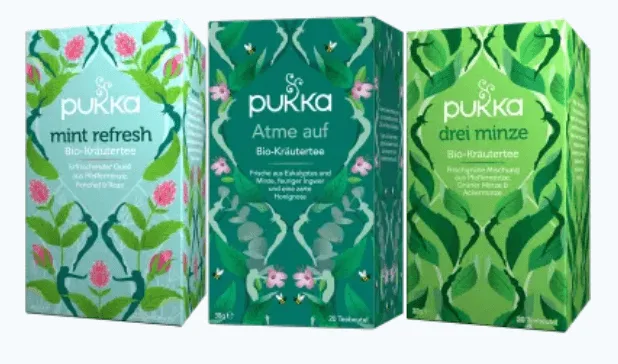
Pukka
Organic, vegan, fair tea.

About Pukka
Our purpose is to nurture healthier, happier lives through powerful organic plants. By nurturing mutually benevolent relationships with farmers, sourcing partners, and everyone who works for us, and with us, we strive to build a sustainable future for all. We hope you feel inspired to discover more about yourself and the beautiful planet on which we all live. ## Sustainability When we began in 2001 the science was already clear that business needed to operate in a way that regenerated our environment and society. These are the values that Pukka was built upon; organic farming, fair trade and conservation through commerce. Find out how we are helping to change the world for a positive future โ one cup of tea at a time.
Photos
Related on Climesumer
Everything else on the site connected to Pukka.
Climate actions
Steps this helps you take.
The type of food you buy is more important than how it was produced or where or when it was grown. Buying non-organic vegetables flown in, is better than buying organic, local meat or cheese. This being said, if you have the choice, try to buy organic, local, seasonal vegan food for maximum impact.
The type of food is more impactful than how it is packaged. A plastic wrapped vegan stake, is better than a non-plastic wrapped, "local" cow-steak. Therefore, before you worry about a plastic free shopping cart, try to reduce animal products like meat or dairy first. For other daily bathroom essential like tooth paste or shampoo, easy plastic free, solid alternatives exist. For these items you only need to a find a replacement and a store once, and then you can forget about it. For other items, try to avoid plastic where possible, but don't beat yourself up for this. Try to focus on more impactful actions first. In places with bad recycling infrastructure, advocate for it.
The type of food you buy is more important than how it was produced or where or when it was grown. Buying (non-organic) vegetables flown in, is better than buying (organic), local meat or dairy. The food miles only make about 5-20% of the food's emissions. This being said, if you have the choice, try to buy organic, local, seasonal vegan food for maximum impact.
In the Climate Guide
The lessons that put this in context.
The whole guide →