Embracing a plant-based diet minimizes the environmental footprint associated with meat production, conserves land and water resources, and lowers greenhouse gas emissions, promoting a healthier planet.
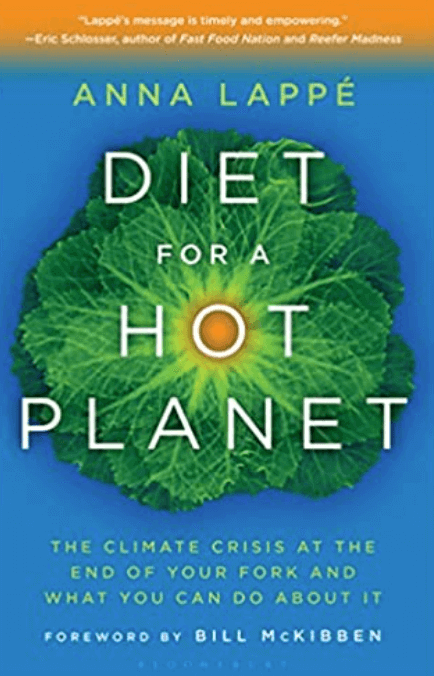
Diet for a Hot Planet: The Climate Crisis at the End of Your Fork and What You Can Do about It
Anna Lappé's "Diet for a Hot Planet" explores the impact of food production on global warming, highlighting sustainable farming and climate-friendly diets.
About Diet for a Hot Planet: The Climate Crisis at the End of Your Fork and What You Can Do about It
Forty years after her mother’s work changed the way we eat, Anna Lappé's_Diet for a Hot Planet_ changed the way we think about food production and global warming. Fifty years ago, Frances Moore Lappé's _Diet for a Small Planet_ sparked a revolution in thinking about the social and environmental impact of what we eat. Ten years ago, her daughter, Anna Lappé, controversially picked up the conversation with _Diet for a Hot Planet_, examining another hidden cost of our food choices: the climate crisis. Lappé predicted that food system-related greenhouse gas emissions would be catastrophic unless we radically shifted the trends of what we ate and how we produced it. She exposed the political interests with a stake in our food system, and foresaw the spin food companies would use to avoid system-wide reform. She visited the pioneering farmers of a future food system where good could outweigh harm, demonstrating the potential of sustainable farming. She also offered six eternal principles for a climate friendly diet. This measured and intelligent call to action is the perfect companion to the fiftieth anniversary edition of _Diet for a Small Planet_; like her mother before her, Lappé reminds us that food, and our perilously large food system, is still a powerful access point for solutions to the climate crisis.
Related on Climesumer
Everything else on the site connected to Diet for a Hot Planet: The Climate Crisis at the End of Your Fork and What You Can Do about It.
Climate actions
Steps this helps you take.
1/3 of the food we produce is being wasted or lost in the process along the value chain. Consumers are one part of the puzzle. Try to plan your meals, use opened items from your fridge quickly and pay special attention to animal products. Wasting animal products like meat or dairy uses the most resources in production and therefore has a big impact when not wasted. Ideally reduce meat and dairy products to a minimum.
Sharing your sustainability and climate action journey is very powerful. Studies show that when one home installs solar panels, their direct neighbours are more likely to also install solar panels. Especially people that trust you are likely to adopt habits and practices of you and vice versa. This is huge. Simply share your positive experiences with sustainable alternatives, your struggle and fear about the climate crisis. No need to directly convince people. Sharing your feelings and positive stories is often enough to spark action in others.
The type of food you buy is more important than how it was produced or where or when it was grown. Buying non-organic vegetables flown in, is better than buying organic, local meat or cheese. This being said, if you have the choice, try to buy organic, local, seasonal vegan food for maximum impact.
The type of food you buy is more important than how it was produced or where or when it was grown. Buying (non-organic) vegetables flown in, is better than buying (organic), local meat or dairy. The food miles only make about 5-20% of the food's emissions. This being said, if you have the choice, try to buy organic, local, seasonal vegan food for maximum impact.
In the Climate Guide
The lessons that put this in context.
The whole guide →