Embracing a plant-based diet minimizes the environmental footprint associated with meat production, conserves land and water resources, and lowers greenhouse gas emissions, promoting a healthier planet.
Eating Animals
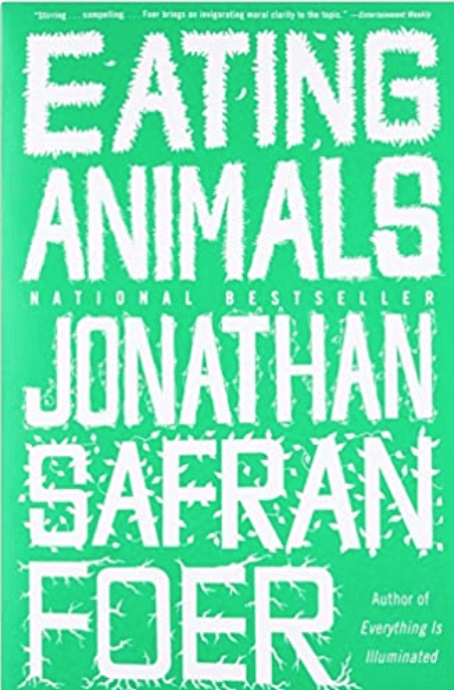
Eating Animals is a memoir and investigative report on vegetarianism, farming, and food ethics by Jonathan Safran Foer.
About Eating Animals
Part memoir and part investigative report, _Eating Animals_ is the groundbreaking moral examination of vegetarianism, farming, and the food we eat every day that inspired the documentary of the same name. Bestselling author Jonathan Safran Foer spent much of his life oscillating between enthusiastic carnivore and occasional vegetarian. For years he was content to live with uncertainty about his own dietary choices but once he started a family, the moral dimensions of food became increasingly important. Faced with the prospect of being unable to explain why we eat some animals and not others, Foer set out to explore the origins of many eating traditions and the fictions involved with creating them. Traveling to the darkest corners of our dining habits, Foer raises the unspoken question behind every fish we eat, every chicken we fry, and every burger we grill. Part memoir and part investigative report, _Eating Animals_ is a book that, in the words of the _Los Angeles Times_, places Jonathan Safran Foer "at the table with our greatest philosophers" -and a must-read for anyone who cares about building a more humane and healthy world.
Related on Climesumer
Everything else on the site connected to Eating Animals.
Climate actions
Steps this helps you take.
1/3 of the food we produce is being wasted or lost in the process along the value chain. Consumers are one part of the puzzle. Try to plan your meals, use opened items from your fridge quickly and pay special attention to animal products. Wasting animal products like meat or dairy uses the most resources in production and therefore has a big impact when not wasted. Ideally reduce meat and dairy products to a minimum.
The type of food you buy is more important than how it was produced or where or when it was grown. Buying non-organic vegetables flown in, is better than buying organic, local meat or cheese. This being said, if you have the choice, try to buy organic, local, seasonal vegan food for maximum impact.
The type of food is more impactful than how it is packaged. A plastic wrapped vegan stake, is better than a non-plastic wrapped, "local" cow-steak. Therefore, before you worry about a plastic free shopping cart, try to reduce animal products like meat or dairy first. For other daily bathroom essential like tooth paste or shampoo, easy plastic free, solid alternatives exist. For these items you only need to a find a replacement and a store once, and then you can forget about it. For other items, try to avoid plastic where possible, but don't beat yourself up for this. Try to focus on more impactful actions first. In places with bad recycling infrastructure, advocate for it.
In the Climate Guide
The lessons that put this in context.
The whole guide →