Embracing a plant-based diet minimizes the environmental footprint associated with meat production, conserves land and water resources, and lowers greenhouse gas emissions, promoting a healthier planet.
Robin Greenfield
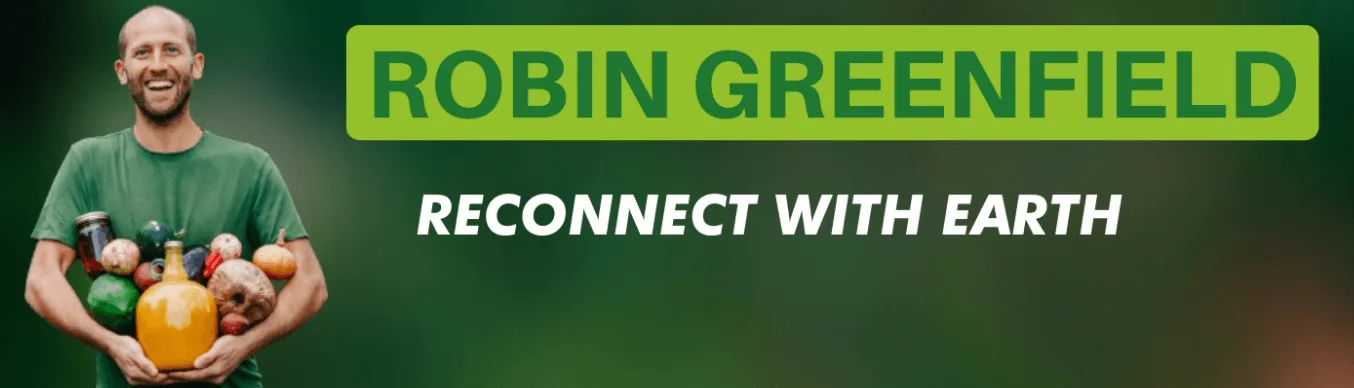
Robin Greenfield is an activist and humanitarian dedicated to leading the way to a more sustainable, just and equal world. Videos frequently cover sustainable & simple living, growing your own food, minimalism, off the grid living, zero waste, tiny houses and permaculture.
About Robin Greenfield
Robin Greenfield is an activist and humanitarian dedicated to leading the way to a more sustainable, just and equal world. He embarks on extreme projects to bring attention to important global issues and inspire positive change. His work has been covered by media worldwide including National Geographic and he’s been named “The Robin Hood of Modern Times” by France 2 TV. Robin’s life is an embodiment of Gandhi’s philosophy, “Be the change you wish to see in the world.” He believes that our actions really do matter and that as individuals, and communities we have the power to improve the world around us. Robin donates 100% of his media earnings to grassroots nonprofits and has committed to living simply and responsibly for life. He’s been named “The Robin Hood of modern times” by France 2 TV and “The Forest Gump of Ecology” and his work has been covered by media worldwide. Robin’s life is an embodiment of Gandhi’s philosophy, “Be the change you wish to see in the world.” In a time when many feel disempowered, he believes that our actions really do matter and that as individuals and communities we have the power to improve the world around us. This channel is a source to educate, inspire and help others to live more sustainable, equitable and just lives. Videos frequently cover sustainable & simple living, growing your own food, minimalism, off the grid living, zero waste, tiny houses and permaculture. Learn more on his website: https://www.robgreenfield.org/
Related on Climesumer
Everything else on the site connected to Robin Greenfield.
Climate actions
Steps this helps you take.
1/3 of the food we produce is being wasted or lost in the process along the value chain. Consumers are one part of the puzzle. Try to plan your meals, use opened items from your fridge quickly and pay special attention to animal products. Wasting animal products like meat or dairy uses the most resources in production and therefore has a big impact when not wasted. Ideally reduce meat and dairy products to a minimum.
The type of food you buy is more important than how it was produced or where or when it was grown. Buying non-organic vegetables flown in, is better than buying organic, local meat or cheese. This being said, if you have the choice, try to buy organic, local, seasonal vegan food for maximum impact.
The type of food is more impactful than how it is packaged. A plastic wrapped vegan stake, is better than a non-plastic wrapped, "local" cow-steak. Therefore, before you worry about a plastic free shopping cart, try to reduce animal products like meat or dairy first. For other daily bathroom essential like tooth paste or shampoo, easy plastic free, solid alternatives exist. For these items you only need to a find a replacement and a store once, and then you can forget about it. For other items, try to avoid plastic where possible, but don't beat yourself up for this. Try to focus on more impactful actions first. In places with bad recycling infrastructure, advocate for it.
In the Climate Guide
The lessons that put this in context.
The whole guide →